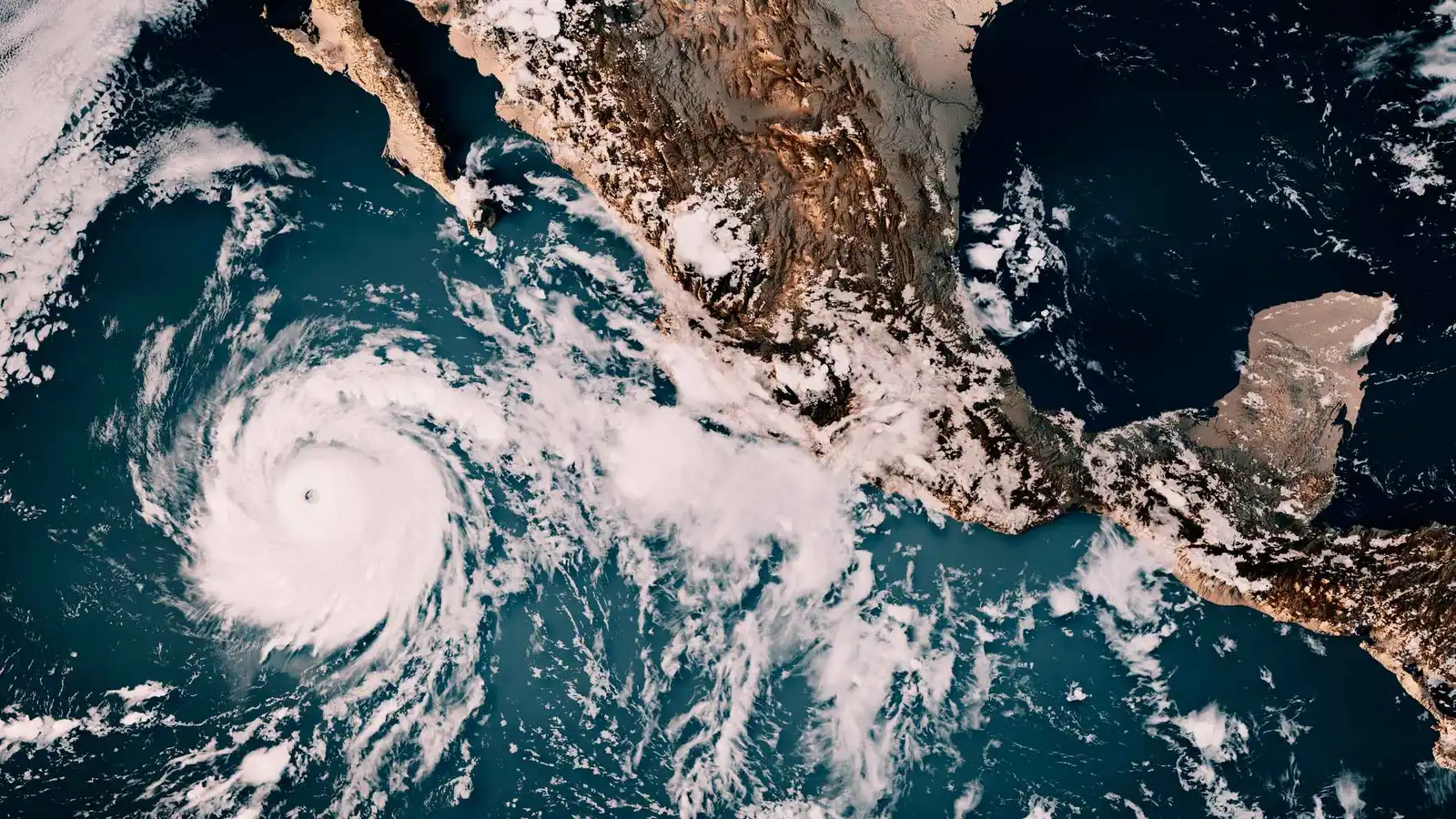
The El Niño phenomenon is anticipated to strengthen in the coming months, peaking in late 2026 or early 2027. This may lead to significant disruptions in temperature and precipitation patterns across various regions. The World Meteorological Organization (WMO) warned that the phenomenon is likely to persist until February 2027, increasing the risk of severe heatwaves, droughts, heavy rainfall, and floods in different areas.
According to the US National Oceanic and Atmospheric Administration, the temperature of the equatorial Pacific Ocean surface has reached exceptionally high levels. Forecast models indicate a probability of over 90% that El Niño will reach a very strong level during the 2026-2027 fall and winter. El Niño is a natural climate phenomenon caused by rising temperatures in the equatorial Pacific Ocean, affecting wind patterns, precipitation, and temperatures worldwide.
While some regions may experience heavy rainfall and floods due to El Niño, others may face drier conditions and sharp increases in temperature. The impacts of El Niño vary greatly from one region to another. The WMO emphasized that the strength of El Niño does not necessarily imply that all areas will be affected in the same way, as the consequences depend on the geographical location and local climate conditions.
The European Commission's Joint Research Centre warned of a possible surge in severe heatwaves between December 2026 and February 2027, with potential effects extending into the 2027 spring. These climate conditions may have far-reaching consequences for vital sectors, including agriculture, water resources, and food security, in regions experiencing rising temperatures, reduced precipitation, or heavy rainfall and floods.
The WMO and other international organizations are closely monitoring the situation, providing updates and warnings to help countries prepare for the potential impacts of El Niño. Governments and disaster management agencies are advised to take proactive measures to mitigate the effects of extreme weather events, protect vulnerable populations, and ensure the resilience of critical infrastructure.
Morocco, like other countries, is likely to be affected by the El Niño phenomenon, although the specific impacts will depend on the region's geography and climate. The country's authorities and meteorological services are expected to provide updates and guidance on the potential consequences of El Niño, helping to inform decision-making and planning.
As the world prepares for the intensification of El Niño, it is essential to recognize the complexity and variability of this climate phenomenon. Understanding the potential impacts and taking proactive measures can help reduce the risks associated with extreme weather events and promote sustainable development.
Key points
- El Niño is expected to peak in late 2026 or early 2027, bringing increased risks of extreme weather events worldwide.
- The phenomenon may lead to severe heatwaves, droughts, heavy rainfall, and floods in different regions, with varying impacts depending on geographical location and local climate conditions.
- International organizations and governments are working together to monitor the situation, provide updates, and support preparedness and mitigation efforts.