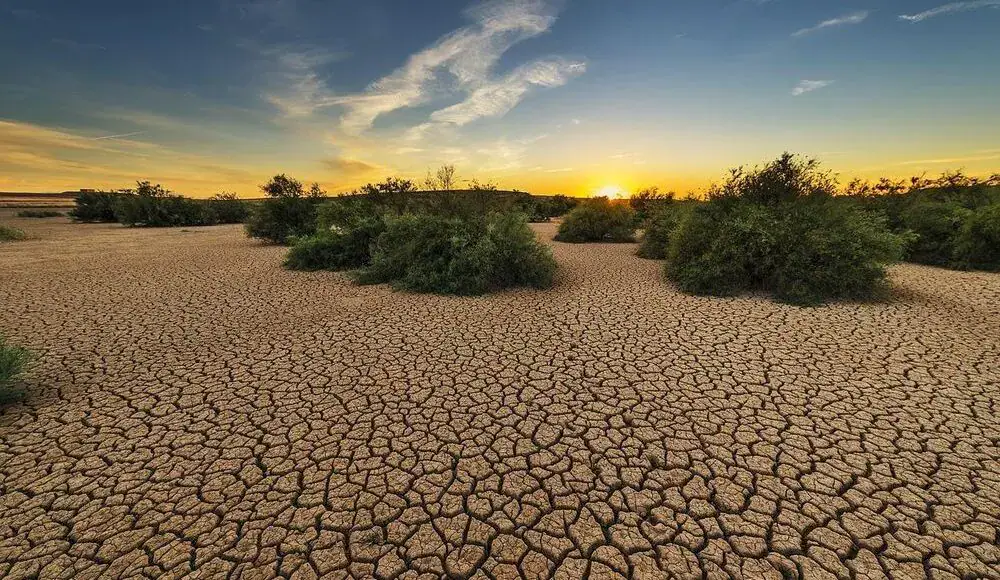
An exceptionally strong El Niño is intensifying weather disruptions worldwide, fueling concerns about food security and potentially making 2026 the second-hottest year on record. The European Union's climate monitor reports that October saw record global and surface ocean temperatures, with El Niño exacerbating human-driven global warming. Samantha Burgess, strategic lead for climate at the European Centre for Medium-Range Weather Forecasts, notes that El Niño adds further heat to a climate already warmed by human activities.
The impacts of El Niño are being felt across the globe, with Peru declaring a state of emergency due to the imminent danger posed by El Niño-linked flooding. Authorities warn that over nine million people, nearly a third of the country's population, are at high risk of flooding and landslides. Similarly, Bolivia has announced a national state of emergency over the weather pattern's effects. El Niño cycles can bring heavy rain to Latin America, causing devastating floods and landslides.
In Asia, drought linked to El Niño has raised concerns about hydropower shortages. However, Sri Lanka's state-owned electricity company has withdrawn a proposed price increase, citing El Niño-linked heavy rain that has improved hydro reservoir storage. Despite this temporary reprieve, the country is expected to face severe drought conditions in the first half of 2027, forcing authorities to rely on more expensive and polluting thermal generation.
The Philippines has set aside over $980 million for an El Niño response plan aimed at mitigating the impact of the climate risk on agriculture. With agriculture accounting for about 8% of the country's gross domestic product and employing one in four Filipinos, the government is taking proactive measures to address the challenges posed by El Niño. The agriculture department reports that production of unmilled rice fell 18% in the three months to September due to El Niño and the Iran war.
El Niño is also expected to have significant economic implications, particularly for vulnerable households. The United Nations' Food and Agriculture Organization warns that even moderate food price increases can have huge consequences for poor families, who spend a large share of their incomes on food. The organization's chief economist, Maximo Torero, notes that markets react to expectations of future shortages and uncertainty, generating volatility in food prices.
The consequences of El Niño are far-reaching, with the potential to disrupt global food systems and exacerbate malnutrition. The FAO has received only one-fifth of the $202 million it requested to prepare for El Niño-linked food crises in 22 high-risk countries. As the climate phenomenon continues to intensify, experts warn that 2027 could be the hottest year on record.
Key statistics illustrate the severity of the El Niño event, with three instances of November disruptions to the polar vortex since records began in the 1950s. The Copernicus monitor reports a 20% chance that 2026 equals or exceeds 2024 as the warmest year on record, while 33 countries broke October heat records. As the world grapples with the impacts of El Niño, experts emphasize the need for proactive measures to mitigate its effects on food security and global weather patterns.
Key points
- El Niño intensifies global weather disruptions and heat records
- Exceptional event threatens food security and may make 2026 the second-hottest year on record
- Vulnerable households face significant economic implications due to food price increases
Reporting sources
- Inside the 2026 El Niño: Why extreme weather is spiking global heat and grocery bills · African News Agency