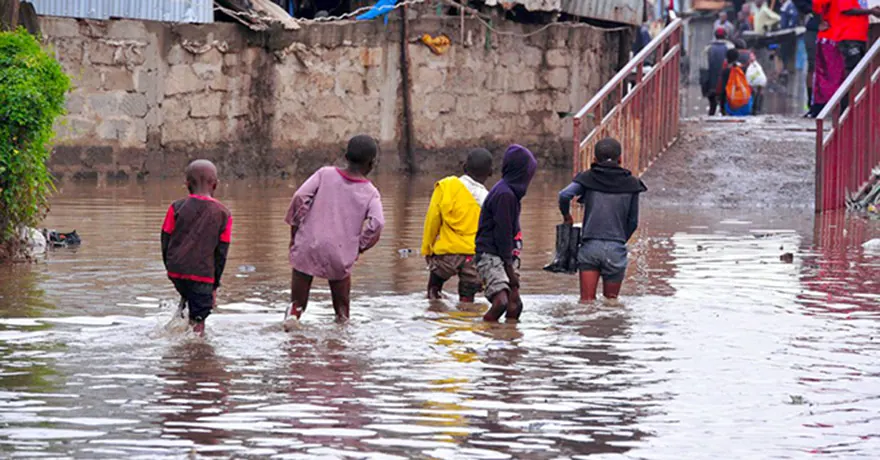
The global climate is bracing for impact as El Niño, a natural phenomenon that abnormally warms the Pacific Ocean waters, intensifies. According to the World Meteorological Organization, El Niño is now well-established and expected to persist until February 2027. This development has raised concerns among climate officials, who warn of potential extreme weather conditions, including heatwaves, droughts, and heavy rainfall.
El Niño occurs when the surface waters of the Pacific Ocean warm abnormally, altering the exchange between the ocean and atmosphere. This can lead to spectacular consequences, including higher temperatures, heavy rainfall, and droughts in various regions. The phenomenon's influence extends beyond the Pacific, affecting agriculture, water resources, fishing, health, and local economies. El Niño is not a new occurrence, happening irregularly every two to seven years and lasting several months.
The last major El Niño episode, in 2023-2024, left a trail of destruction worldwide. Peru experienced intense rainfall and high temperatures, causing floods and significant disruptions. Ecuador also faced heavy precipitation and flooding, while Colombia, Bolivia, and several Central American countries suffered from prolonged droughts and water shortages. In East Africa, exceptional rainfall led to severe flooding, while certain regions in southern Africa faced severe drought.
The current El Niño episode is expected to be particularly intense, with the US Climate Prediction Center estimating a 90% probability of a very strong event during the 2026-2027 autumn and winter. This has raised concerns among experts, who warn that the planet is playing with fire. The abnormally high temperatures in the Pacific Ocean and the potential for an intense episode have sparked fears of widespread disruptions.
The effects of El Niño are already being felt in various regions. In Central America, drought is exacerbating agricultural difficulties and threatening food security. In Panama, water shortages in Lake Gatun are disrupting traffic through the canal, a critical artery of global commerce. Sri Lanka is also experiencing severe deficits in rainfall, leading to dried-up wells and disappearing crops.
El Niño's impact is also being felt in the Indian Ocean region, including islands such as Mauritius, La Réunion, Madagascar, and the Seychelles. The phenomenon can lead to reduced rainfall, increased water stress, and disruptions to ecosystems. However, El Niño can also redistribute weather patterns, potentially leading to intense rainfall and flooding in certain areas.
As El Niño continues to intensify, global communities are bracing for the potential consequences. The phenomenon's effects on fishing, agriculture, water resources, and local economies will be closely monitored. With the threat of extreme weather conditions looming, officials and residents alike are urging caution and preparedness.
Key points
- El Niño is expected to persist until February 2027, with a 90% probability of being a very strong event.
- The phenomenon's intensification has raised concerns about extreme weather conditions, including heatwaves, droughts, and heavy rainfall.
- El Niño's impact will be felt globally, with potential disruptions to agriculture, water resources, fishing, health, and local economies.