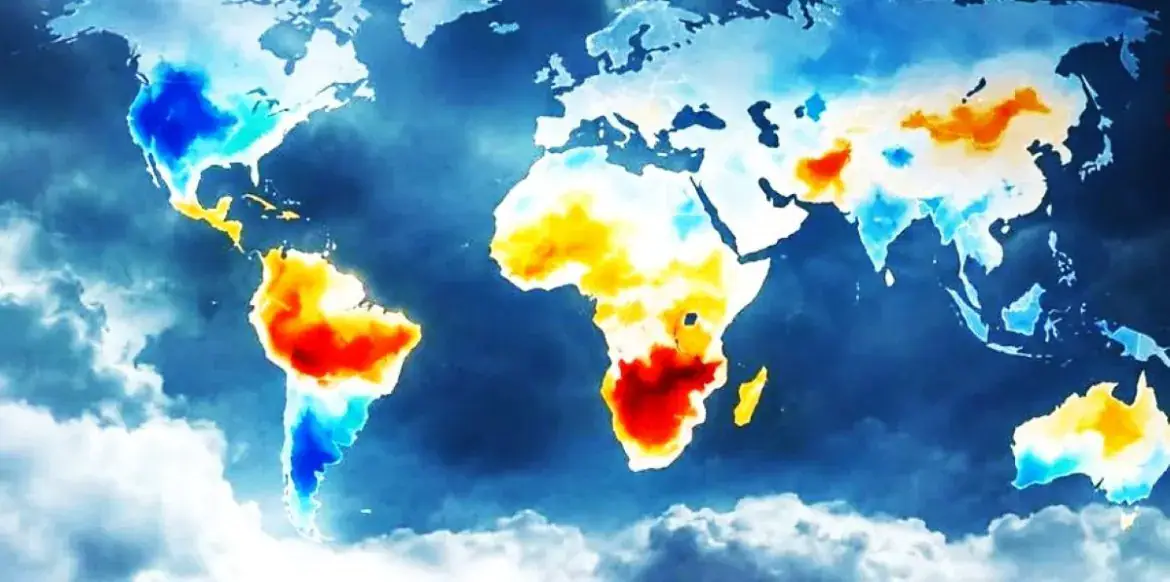
According to research by the University of Chicago’s Climate Impact Lab, the El Niño weather phenomenon is expected to cause over 500,000 excess deaths globally between June 2026 and February 2027. This estimate reflects deaths from extreme heat, and scientists warn that the actual number could be higher due to the potential for epidemics of diseases such as dengue fever and cholera. The research suggests that El Niño's effects will be felt worldwide, with varying risks by region.
El Niño, which has already started to take effect globally, comprises heavy rains, storms, floods, excessive heat, and freezing weather. The heat alone is predicted to cost 450,000 lives, but the worst should be expected from excessive rains, floods, cyclones, and landslides. Scientists are urging the World Health Organization to declare a global health emergency over the potential effects. Dr. Colin Carlson, an assistant professor of epidemiology at Yale University, has warned of “pandemic-scale mortality”.
The weather risks vary by region, with a recent update from the World Meteorological Organization pointing to increased rainfall in the north-western US, parts of south-west South America, and the northern Caribbean. Central America, the southern Caribbean, and the Amazon face a greater risk of drought. Southern Africa could also see drier conditions from November, the start of its usual rainy season. The heaviest rainfall in Southern Africa typically comes between December and March.
In South-east Asia, rainfall deficits and heat exposure could raise the risk of wildfires. Parts of the US could also see heavy snowfall as soon as December. The varied weather patterns will have different impacts on different regions, and the global health community is bracing for the potential consequences. The World Health Organization is being urged to take action to mitigate the effects of El Niño.
Tanzania, like many other countries, will likely be affected by El Niño, although the specific impacts are difficult to predict. The country has experienced severe weather events in the past, including floods and droughts, and is working to build resilience to climate change. The government and international organizations are taking steps to prepare for the potential effects of El Niño.
The research suggests that El Niño's impacts will be felt across the globe, and that urgent action is needed to mitigate the effects. The World Health Organization and other global health authorities must take steps to prepare for the potential health consequences of El Niño. This includes increasing preparedness and response measures, as well as working to address the root causes of climate change.
As the world prepares for the potential impacts of El Niño, it is clear that urgent action is needed to address the root causes of climate change. The research by the University of Chicago’s Climate Impact Lab serves as a warning of the potential consequences of inaction, and highlights the need for global cooperation to address this pressing issue.
Key points
- El Niño is expected to cause over 500,000 excess deaths globally between June 2026 and February 2027.
- Extreme heat alone is predicted to cost 450,000 lives.
- The weather risks vary by region, with different impacts expected in different parts of the world.
Reporting sources
- El Niño to kill over 500,000 people in the world by February 2027 · The Tanzania Times – News from Tanzania, Africa, World, Breaking News, Weather, Environment and Climate Change