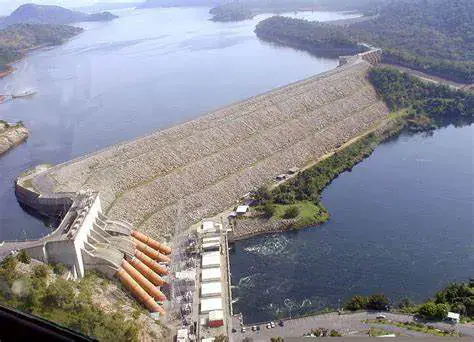
The Ghana Meteorological Agency (GMet) has issued a warning that persistent El Niño conditions could significantly reduce water inflows into the Volta River, potentially impacting hydroelectric power generation at the Akosombo Dam. El Niño, a naturally occurring climate phenomenon, affects rainfall and temperature patterns globally. Deputy Director of Research and Applied Meteorology at GMet, Francisca Martey, stated that below-normal rainfall expected across West Africa could affect shared water resources between Ghana and neighbouring countries.
El Niño is influencing rainfall patterns in Ghana, resulting in prolonged dry spells and warmer conditions. The phenomenon's impact extends beyond Ghana, with neighbouring countries in West Africa also expected to experience below-normal rainfall. Martey noted that reduced rainfall could lead to lower inflows into the Akosombo Dam, affecting electricity generation from hydroelectric sources. This has raised concerns about the potential implications for Ghana's water and energy resources.
GMet has projected above-normal temperatures and below-normal rainfall in the coming months, with extended dry spells and reduced rainfall expected across much of the country during the September-October-November (SON) period. Martey stated that these conditions would persist into the December-January-February (DJF) period, when the Harmattan season brings drier air and warmer temperatures. As a result, Ghana is preparing for a period of prolonged dry conditions.
The effects of El Niño are expected to be more pronounced in northern Ghana due to its vulnerability to rainfall deficits and importance to the country's food production. Prolonged dry conditions could significantly affect farmers, particularly those in communities relying on stored rainwater for agricultural activities. Martey warned that the little rainwater saved would dry up, emphasizing the need for climate-smart agricultural practices.
Martey urged farmers to adopt practices like mulching to conserve soil moisture and minimize the effects of prolonged dry spells. GMet is engaging stakeholders in agriculture, health, and water resources management, as well as the general public, to improve preparedness for the anticipated weather conditions. The agency aims to enhance awareness and preparedness for the potential impacts of El Niño on Ghana's water and energy resources.
In addition to the impacts on water and energy, Martey advised Ghanaians to stay hydrated and protect themselves against dusty conditions expected during the Harmattan season. The warning comes as Ghana prepares for a period of prolonged dry conditions, with potential implications for the country's food security, water resources, and energy generation. El Niño's effects on Ghana's climate are expected to be significant.
GMet's warning highlights the need for proactive measures to mitigate the potential impacts of El Niño on Ghana's water and energy resources. The agency's efforts to engage stakeholders and the public aim to reduce the risks associated with the anticipated weather conditions. By adopting climate-smart practices and preparing for the potential impacts, Ghana can minimize the effects of El Niño on its water and energy resources.
Key points
- El Niño conditions threaten to reduce water inflows into the Volta River, potentially affecting hydroelectric power generation at the Akosombo Dam.
- Below-normal rainfall is expected across West Africa, affecting shared water resources between Ghana and neighbouring countries.
- GMet advises farmers to adopt climate-smart agricultural practices to conserve soil moisture and minimize the effects of prolonged dry spells.