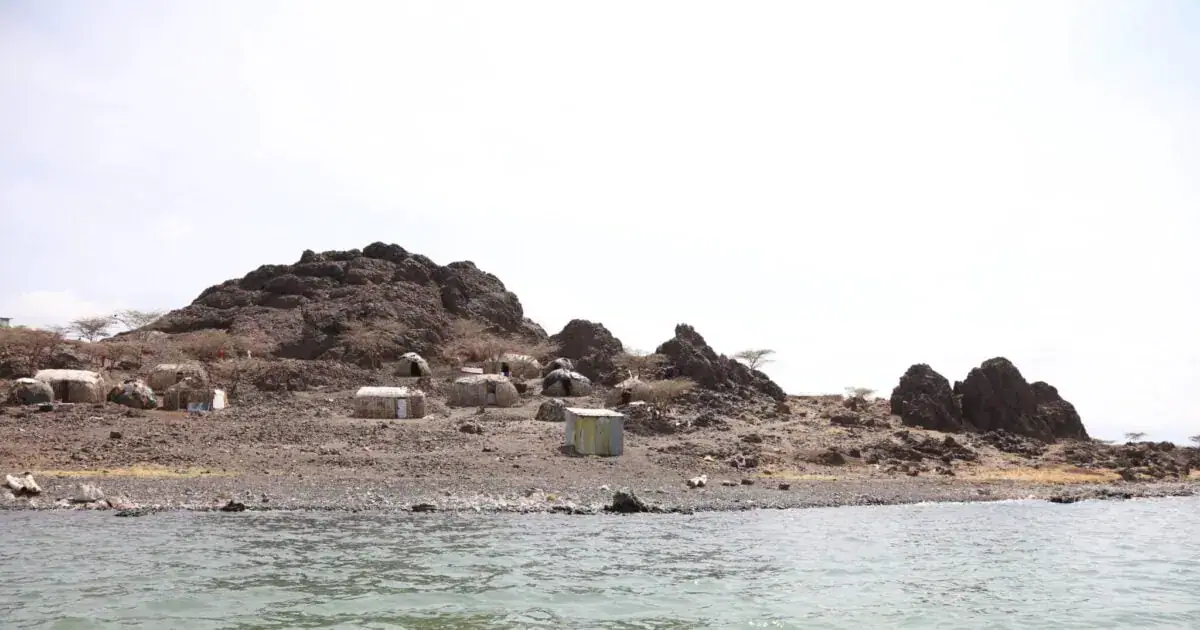
The El Molo community, historically known as the "crocodile eaters," inhabit Komote Island on Lake Turkana in northern Kenya. Their identity is deeply rooted in the lake, which has provided food, shaped livelihoods, and influenced customs for generations. However, their language and cultural practices are under threat due to assimilation, a shrinking population, and changing ways of life. The Kenya Tourism Board's Hapa Ni Wapi campaign has brought attention to the community's unique heritage.
Efforts to document the El Molo language are underway at the Desert Museum in the Marsabit region. Researchers, including archaeologists and linguists, recognize the need to preserve the language for future generations. The museum showcases artefacts and accounts of everyday life, such as traditional ornaments, clothing, and household utensils. This documentation aims to keep a record of a community whose linguistic heritage has come under pressure.
The concern is not only that a language may cease to be spoken but also that it can take with it expressions, oral histories, traditional knowledge, and ways of understanding the environment that may not translate easily into another tongue. Community outreach programs aim to reintroduce elements of the language, but its long-term survival depends on whether younger members of the community can learn it, speak it at home, and use it in everyday interactions.
Severio Lenapir, a member of the El Molo community, shared insights into the traditions and customs that shape their life. He described traditional practices associated with prayer, healing, rainfall, and protection before fishing or hunting expeditions. These practices are part of a wider system of beliefs through which the community understands its relationship with nature and the uncertainties of life around the lake.
The community faces significant challenges, including limited access to essential services such as healthcare. The distance between the island and medical services is a pressing concern, and transporting sick people to health facilities can be difficult, particularly when aquatic weeds make movement across the water challenging. Although the community has access to a dispensary, getting professional medical assistance can be difficult due to distance and transport availability.
Developing tourism around the cultural assets of northern Kenya could provide opportunities for the El Molo community. According to Sarah Wako, the region could attract visitors interested in authentic cultural experiences, including traditional food, homestays, festivals, and opportunities to learn directly from local communities. This approach could generate income and create opportunities while preserving the community's heritage.
Preserving the El Molo language and cultural practices requires a delicate balance between promoting tourism and ensuring that the community has access to essential services. The challenge is to preserve the heritage while allowing the community to access healthcare, economic opportunities, and the benefits of tourism. By supporting community-led initiatives, it may be possible to safeguard the El Molo's unique cultural identity for future generations.
Key points
- The El Molo community's language and cultural practices are under threat due to assimilation and a shrinking population.
- Efforts to document the El Molo language are underway at the Desert Museum in the Marsabit region.
- Developing tourism around the cultural assets of northern Kenya could provide opportunities for the El Molo community.