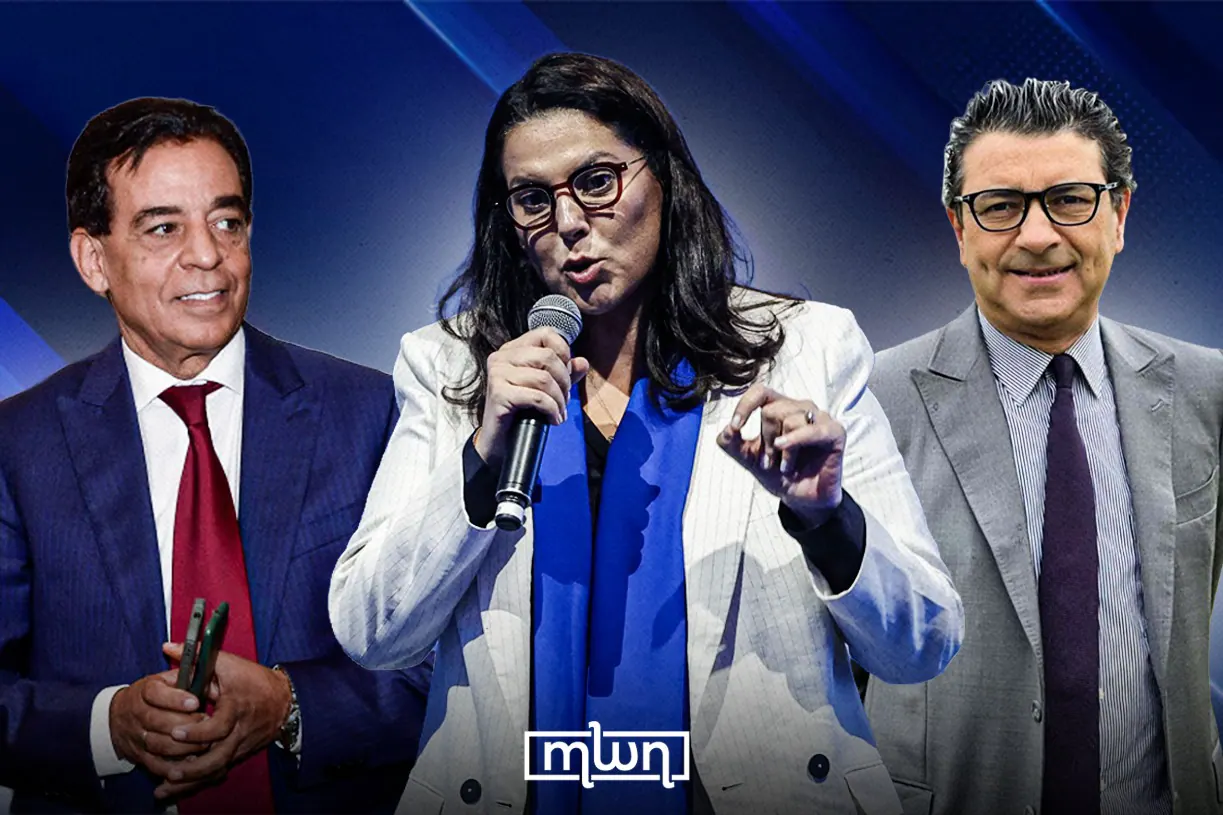
Morocco's electoral system makes it difficult for a single party to win an absolute majority, so coalition-building is crucial for any head of government-designate. Fatima Ezzahra El Mansouri, the head of government-designate, has begun her coalition consultations. The Authenticity and Modernity Party (PAM) finished first in the September 23 elections with 97 seats, 101 short of the 198 needed for an absolute majority. El Mansouri must assemble several partners to form a government. The PAM's 97 seats are followed by the National Rally of Independents (RNI) with 66, Istiqlal with 65, the Justice and Development Party (PJD) with 54, and other parties.
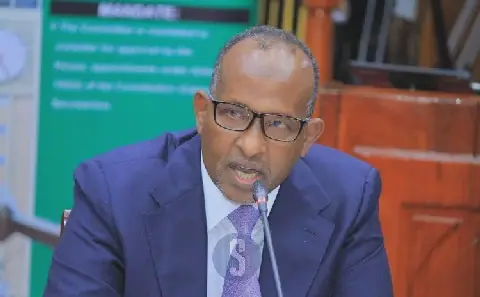
El Mansouri continued her coalition consultations at PAM headquarters in Rabat, receiving the Constitutional Union (UC) and the Democratic and Social Movement (MDS). The UC and MDS announced on September 25 that they will form a joint parliamentary group of 25 seats. The UC has 17 seats, and the MDS has 8 seats. During the meetings, UC Secretary-General Mohamed Joudar emphasized the importance of addressing issues that matter to Moroccans, such as employment, education, health, and purchasing power.
Joudar highlighted the large projects ahead, including the joint hosting of the 2030 World Cup, high-speed rail lines, airports, stadiums, and hotels. He congratulated El Mansouri on her appointment, citing it as a reflection of the improved standing of women in Moroccan society. MDS Secretary-General Abdessamad Archane offered his party's support, emphasizing the need for a government program that prioritizes social questions, protects purchasing power, and corrects the shortcomings of the outgoing team.
Archane called for reforms at a faster pace, so that citizens feel the change. He expressed hope that the coming stage would bring bolder decisions. The success of the new government, he stated, "will be a success for the nation and the citizens." El Mansouri's team, including Abdellatif Ouahbi, Fouzi Lekjaa, and Ahmed Akhchichine, conducted the meetings with the UC and MDS.
The Justice and Development Party (PJD) declined to attend the meeting. PJD Secretary-General Abdelilah Benkirane announced that none of his party's leaders would attend the meeting at PAM headquarters. Benkirane had previously welcomed El Mansouri's request to meet but declined the format, citing his own experience as head of government. The PJD has announced it will remain in opposition and ruled out joining a PAM-led government.
Other parties have expressed their intentions regarding the coalition talks. The RNI president, Mohamed Chouki, described exchanges with El Mansouri as marked by "clarity and frankness" and committed the party to the next stage in line with "the supreme interest of the homeland." The RNI's National Council will meet to decide on participation in the government. Istiqlal leader Nizar Baraka stated that his party's National Council would assess the election results and weigh a role in the government.
El Mansouri's talks will continue in the coming days as she narrows her options before Parliament reconvenes on October 9. The goal is to form a government that can address the challenges facing Morocco, including social and economic issues. The coalition-building process is crucial in determining the country's future direction.
Key points
- El Mansouri's coalition consultations continue with various parties.
- The PJD has declined to attend the meetings and will remain in opposition.
- The RNI and Istiqlal have expressed their intentions to participate in the coalition talks.