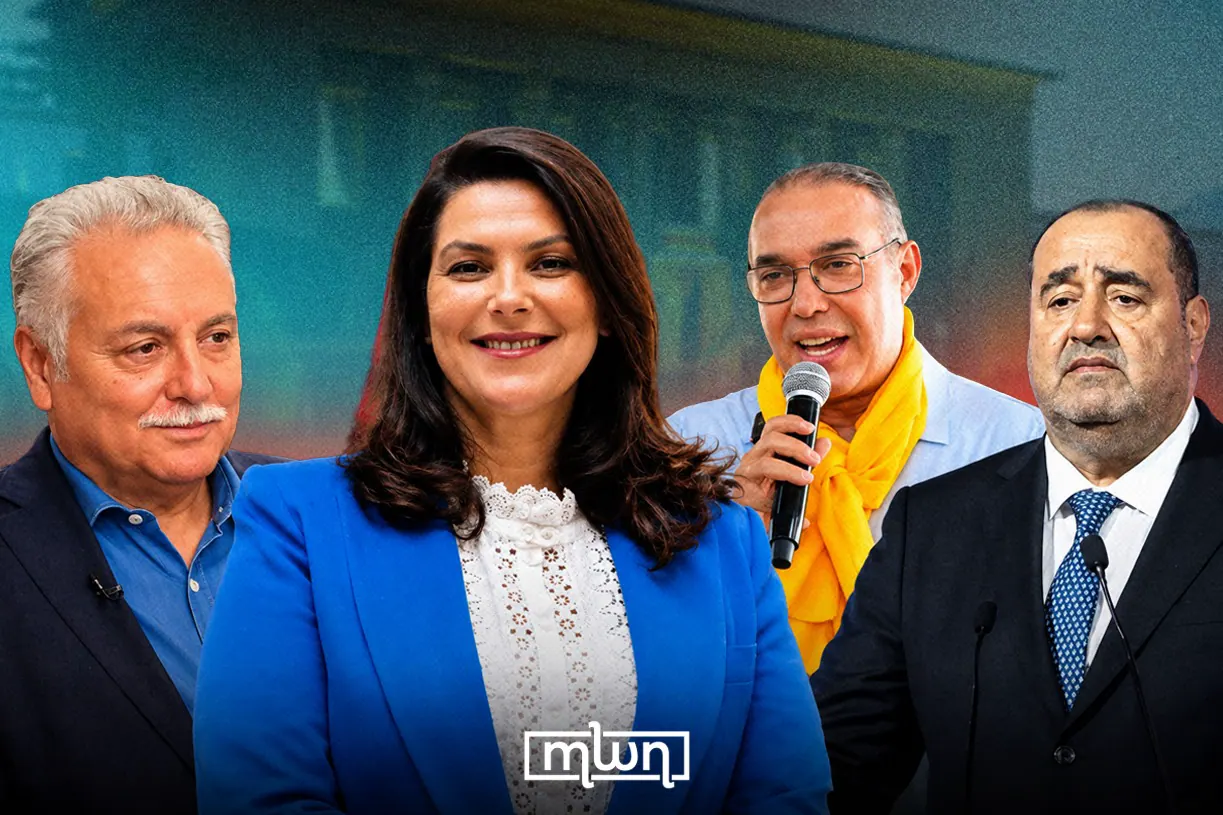
Morocco's head of government-designate, Fatima Ezzahra El Mansouri, has started coalition talks with various parties to assemble a governing majority. El Mansouri, the mayor of Marrakech and a former urban planning minister, was appointed by King Mohammed VI earlier in the week. Her Authenticity and Modernity Party (PAM) finished first in the September 23 elections with 97 seats in the House of Representatives, but fell short of the 198 needed for an absolute majority.
El Mansouri's first round of coalition talks included meetings with the Popular Movement, the Socialist Union of Popular Forces (USFP), and the Party of Progress and Socialism (PPS). The talks followed earlier meetings with the National Rally of Independents (RNI) and the Istiqlal Party. The RNI president, Mohamed Chouki, described the exchanges as marked by "clarity and frankness" and committed his party to the next stage.
The Popular Movement's secretary-general, Mohamed Ouzzine, framed his party's role as constant, regardless of whether it joins the majority or opposition. Ouzzine emphasized that defending the nation's interests remains the fundamental constant. He also called for efficient alternatives for youth and a faster rollout of territorial development programs.
USFP first secretary Driss Lachgar kept the substance of his exchange with El Mansouri under wraps, citing the need for trust and confidentiality. Lachgar welcomed El Mansouri's appointment as a "real qualitative leap" toward modernity and equality between women and men. The meeting also revisited episodes from the USFP's political path and its ties to other actors.
PPS secretary-general Nabil Benabdallah left his party's decision open, linking it to El Mansouri's PAM membership and potential alliances. Benabdallah raised concerns about voter abstention and the need for a wider democratic space, stronger rights and freedoms, and moralization of public life. He also pointed to "points of convergence" between the PPS and PAM.
The consultations are set to resume with the Constitutional Union, followed by the Democratic and Social Movement (MDS), and then the Justice and Development Party (PJD). PAM's 97 seats leave it 101 short of a majority, requiring it to stitch together several parties. The PJD, which rebounded to 54 seats, has announced it will remain in opposition and ruled out joining a PAM-led government.
Despite challenges, El Mansouri's appointment has been seen as a positive step toward modernity and equality. Her leadership has also sparked hope for increased women's presence in decision-making posts. As coalition talks continue, El Mansouri faces the task of navigating complex negotiations to form a stable government.
Key points
- El Mansouri's PAM needs to form a coalition to achieve a majority in the House of Representatives.
- The Popular Movement, USFP, and PPS are among the parties participating in coalition talks with PAM.
- The Justice and Development Party (PJD) has ruled out joining a PAM-led government, citing its decision to remain in opposition.