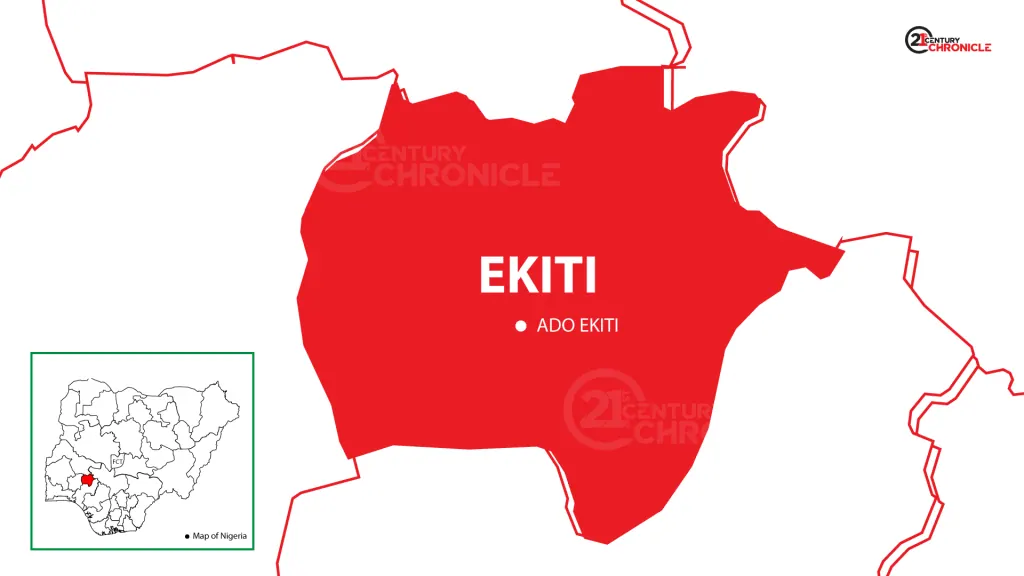
Ekiti State has emerged as a leader in crop production and cultivated land in Nigeria, with a recent report by the National Agricultural Extension and Research Liaison Services (NAERLS) showing significant growth in output, cultivated land, and yield across several crops between 2024 and 2025. The report, certified by the National Technical Committee on Agricultural Statistics under the Federal Ministry of Agriculture and Food Security, highlights Ekiti's achievements in increasing food production and improving food security.
According to the report, Ekiti recorded increases in the production of rice, maize, cowpea, tomato, and okra, while cultivated areas for major crops, including yam and cassava, also expanded during the period. The Ekiti State Commissioner for Agriculture and Food Security, Ebenezer Boluwade, attributed the development to sustained interventions by the state government aimed at increasing agricultural production, improving food security, and enhancing farmers' livelihoods.
Boluwade stated that rice production in Ekiti increased from 158,455.73 metric tonnes in 2024 to 164,318.60 metric tonnes in 2025, representing a 3.7 per cent rise, while the cultivated area grew from 88,104.77 hectares to 89,382.30 hectares. He also noted that maize production rose from 268,971.77 metric tonnes in 2024 to 280,806.50 metric tonnes in 2025, representing a 4.4 per cent increase, with the cultivated area expanding from 130,730.27 hectares to 132,691.20 hectares.
The commissioner also reported growth in cowpea production, which increased from 97,464.59 metric tonnes to 103,702.30 metric tonnes, representing a 6.4 per cent rise, while cultivated land grew from 165,682.89 hectares to 167,339.70 hectares. Additionally, tomato production increased from 26,827.69 metric tonnes in 2024 to 27,525.20 metric tonnes in 2025, with cultivated land rising from 23,289.94 hectares to 23,662.60 hectares.
Okra production in Ekiti also rose from 12,726.23 metric tonnes to 12,917.10 metric tonnes, while the cultivated area increased from 22,550.85 hectares to 22,731.30 hectares. Boluwade noted that yam and cassava remained major components of the state's agricultural economy, with cultivated areas for both crops expanding in 2025. Yam cultivation increased from 194,049.54 hectares in 2024 to 197,542.40 hectares, while cassava cultivation rose from 239,784.50 hectares to 243,860.80 hectares.
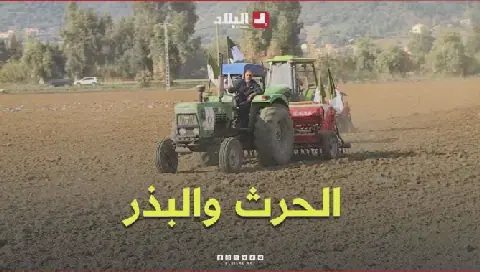
Boluwade emphasized that the state government would continue to prioritize land clearing for youths, farmers' associations, and communities, as well as access to improved inputs, mechanization, extension services, improved planting materials, climate-smart agricultural practices, and market linkages. He stressed that the government's objective was not merely to increase the amount of land under cultivation but also to raise productivity, improve farmers' incomes, and strengthen their livelihoods.
The commissioner urged farmers to take advantage of government-supported agricultural programs and adopt improved production practices. He also assured that the ministry would continue to collaborate with farmers' groups, development partners, research institutions, and other stakeholders to further boost agricultural productivity across the state. Key points include:
Key points
- Ekiti State has recorded significant growth in crop production and cultivated land between 2024 and 2025.
- The state government has implemented sustained interventions to increase agricultural production, improve food security, and enhance farmers' livelihoods.
- Ekiti has retained its position as the largest rice-producing state in the South-West.