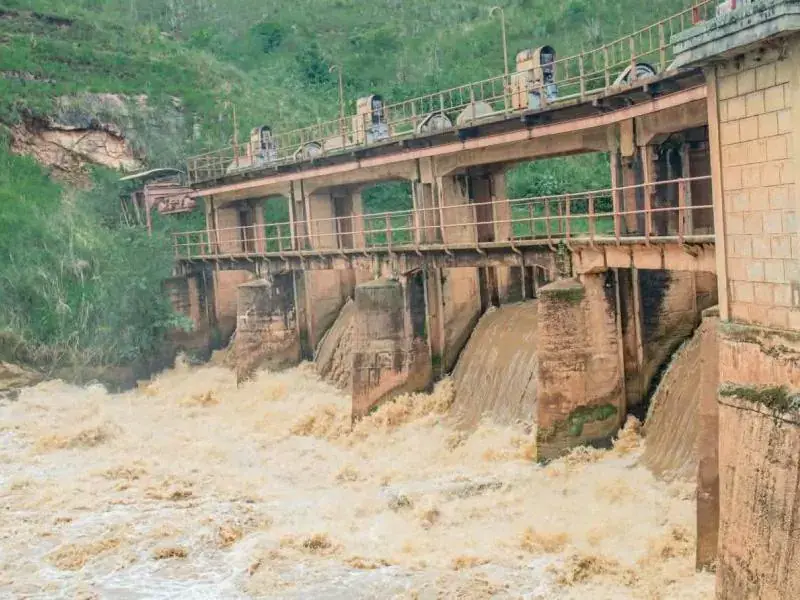
The communities of Kisala and Kakobola, located near the Kakobola hydroelectric plant in the Gungu territory of Kwilu province, Democratic Republic of Congo, are still without electricity eight months after the plant's inauguration. Despite being mere kilometers away from the plant, the villages lack basic electrical infrastructure, including poles, bulbs, and cables. Local populations are expressing frustration and disappointment, feeling that their rights as guardians of the land have been neglected.
The situation has been condemned by the civil society of Gungu, led by President Joachim Kusamba, who emphasized that the communities' rights have not been respected. Kusamba stated that the lack of electricity is unacceptable, especially given that the power generated by the plant is being supplied to other areas, including Gungu, Idiofa, and Kikwit. He warned that if the situation is not addressed, many residents may be forced to leave the villages and move to Gungu, where electricity is available.
The Kakobola hydroelectric plant was inaugurated eight months ago, but its benefits have not reached the local communities. The plant has the potential to provide electricity to the surrounding areas, but the necessary infrastructure to distribute the power has not been installed. The civil society is calling on the government to take action and ensure that the rights of the local communities are respected.
The government has announced plans to construct a second hydroelectric plant, Kakobola 2, which will be built 2 kilometers from the current site. The new plant will have a capacity of 15 megawatts, increasing the total potential to 25 megawatts. The project is expected to be completed within two years, pending the availability of studies and funding.
The lack of electricity in Kisala and Kakobola is a significant challenge for the local communities, affecting their daily lives and economic activities. The situation is a reminder of the need for the government to prioritize the needs of local communities and ensure that they benefit from the resources available in their areas.
The issue has also raised concerns about the social and economic impact on the local communities. The civil society is urging the government to take immediate action to address the situation and provide electricity to the affected communities. The government is expected to respond to the concerns and work towards finding a solution to the problem.
The Democratic Republic of Congo has been investing in hydroelectric power plants to increase its energy capacity. However, the case of Kisala and Kakobola highlights the need for the government to ensure that the benefits of such projects reach the local communities. The situation will continue to be monitored, and efforts will be made to find a solution that addresses the concerns of the affected communities.
Key points
- Local communities in Kisala and Kakobola remain without electricity eight months after the Kakobola hydroelectric plant was put into service.
- The civil society of Gungu is calling on the government to take action and ensure that the rights of the local communities are respected.
- The government has announced plans to construct a second hydroelectric plant, Kakobola 2, which will increase the total potential to 25 megawatts.