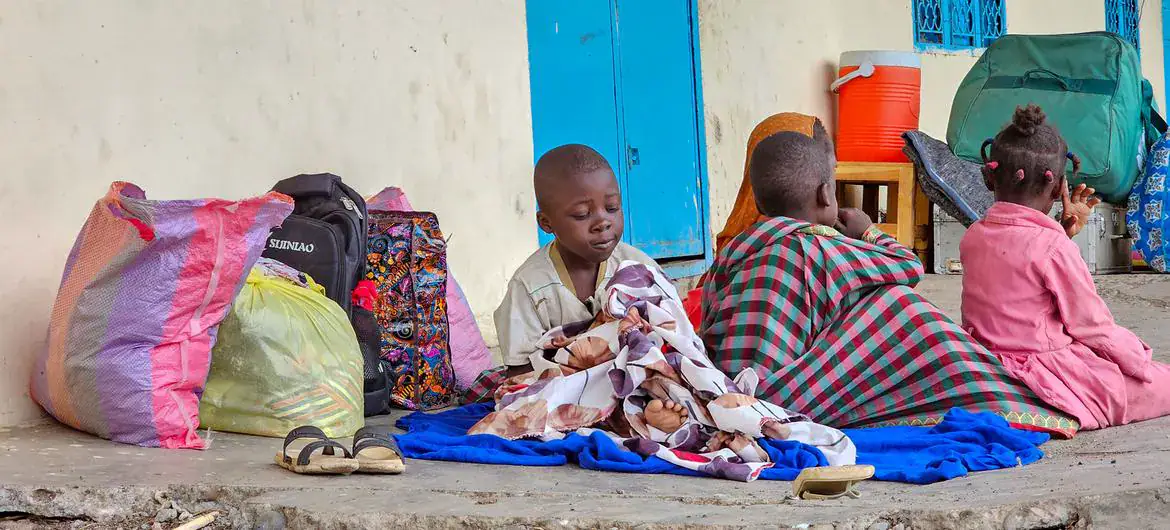
The Sudanese Teachers' Committee has warned that the public education system in Sudan is at risk of collapse, with eight million children currently falling outside the education system. This crisis has been exacerbated by teachers struggling to make ends meet and a decline in pupil numbers, particularly in poor and peripheral areas. The committee has called for increased education spending to 20% of the national budget to address these issues.
The Sudanese Teachers' Committee has confirmed that a teachers' strike in Khartoum state is ongoing, with committee member Ammar Youssef stating that the crisis is worsening as families struggle to afford schooling and public schools face difficulties in operating. The committee has urged teachers across Sudan to join the strike and called on parents to understand teachers' position and demands. They argue that the strike aims to protect public education and improve the living conditions of education workers.
Committee spokesperson Sami al-Baqir highlighted that the minimum wage for teachers stands at SDG 12,000, criticizing the failure to implement decisions concerning workers' rights. The committee is demanding higher wages, payment of outstanding dues, and improvements to school conditions. They also warned of serious developments threatening the future of public education, citing a substantial decline in pupil numbers, particularly in schools in poor and peripheral areas.
The committee's field monitoring has revealed that some teachers are unable to reach their schools due to unaffordable transport, which is not solely linked to participation in the strike but also reflects the sharp deterioration in their living conditions. This situation indicates the economic crisis facing education workers and the government's disregard for their demands. The committee also criticized class-based discrimination between ordinary public schools and high-fee model schools.
The growing disparity between public schools and model schools risks turning education from a universal right into a service dependent on families' financial means. This undermines equal educational opportunities and widens the gap between different social groups. The committee accused the authorities of attempting to circumvent teachers' demands by relying on ineffective bodies and making unfulfilled promises to pay outstanding dues.
The committee warned of a plan to systematically undermine public education, with the continued deterioration in teachers' living conditions, declining pupil numbers, and poor school environments potentially leading to the suspension of public education in several areas. This threat extends beyond teachers' rights and outstanding payments to the future of millions of children who depend on public education. The number of children deprived of schooling could continue to rise if the crisis is not addressed.
Committee spokesperson Sami al-Baqir confirmed that the protest movement will continue, with the committee considering further peaceful measures, including closing schools and organizing sit-ins, if the authorities fail to respond to its demands. The committee will hold a decisive meeting at the end of the week to assess the situation and determine the next steps in their "long-haul battle" to protect public education and secure teachers' rights.
Key points
- Eight million Sudanese children are currently out of school.
- The Sudanese Teachers' Committee is demanding increased education spending to 20% of the national budget.
- The committee is considering further peaceful action, including school closures and sit-ins, if its demands are not met.