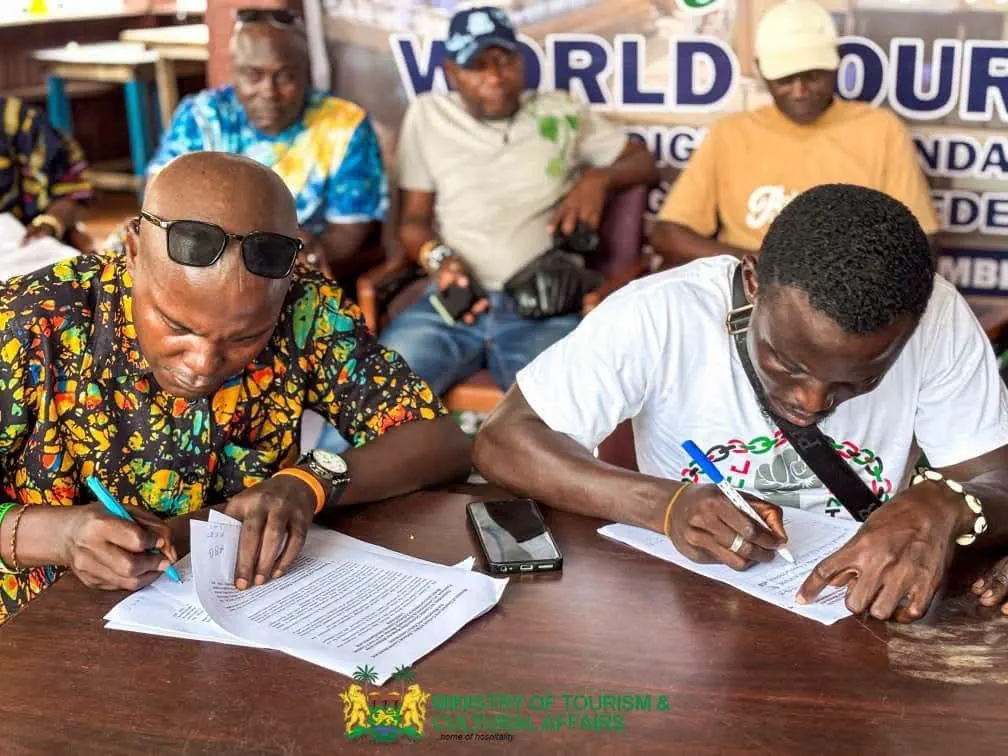
Leaders from eight coastal communities in Sierra Leone's Western Area Peninsula have come together to sign a declaration aimed at protecting and sustainably managing their beaches and coastal environments. The initiative, which focuses on tourism development, environmental resilience, and community livelihoods, was formalized during a coastal dialogue at Bureh Beach on 28 September 2026. This event coincided with World Tourism Day and was attended by representatives from the National Tourist Board and the Monuments and Relics Commission.
The community representatives acknowledged the vital role coastal settlements play in safeguarding the environment and preserving the natural and cultural assets that bolster Sierra Leone's tourism. They recognized the ocean as a shared resource that enhances livelihoods, health, and economic development for local communities. This collective understanding highlights the importance of collaborative efforts to address the challenges facing the coastline.
Participants at the dialogue emphasized the significance of tourism and cultural heritage for economic diversification. However, they also expressed concerns about increasing pressures on beaches and marine ecosystems along the Peninsula. One major issue raised was sand mining, driven by demand from Freetown's construction industry. This practice has led to coastal erosion, causing shoreline retreats of up to 40 meters in some areas and resulting in the loss of an estimated 20 million cubic meters of sand.
Community leaders acknowledged that local activities have also harmed marine and coastal ecosystems. They identified threats including climate change, illegal sand mining, natural disasters, pollution, poor waste management, and loss of cultural heritage sites, which can jeopardize community safety and livelihoods. These challenges underscore the need for concerted efforts to protect the coastline and ensure sustainable development.
The eight communities, under the declaration, committed to collaborating with the Ministry of Tourism and Cultural Affairs and the National Tourist Board. Their commitments include enhancing environmental education, improving safety at tourism sites, addressing beach erosion, promoting sanitation, and working with private-sector stakeholders. They also pledged to adhere to national tourism policies and environmental regulations governing the use of coastal resources.
To implement their commitments, community leaders agreed to form local conservation committees to monitor coastal conditions and report any illegal or damaging activities affecting beaches and marine ecosystems. These committees will play a crucial role in ensuring the effective conservation of the coastline and promoting sustainable tourism practices. By working together, the communities aim to protect their environment and natural resources.
The signing of the declaration marks an important step towards increased community ownership over coastal conservation and enhanced collaboration among local communities, government institutions, and other stakeholders. The hope is that these commitments will help protect Sierra Leone's coastline and position the Western Area Peninsula as a model for community-led conservation and sustainable tourism development.
Key points
- Eight coastal communities in Sierra Leone sign a declaration to safeguard beaches and promote sustainable tourism.
- The communities commit to collaborating with government institutions and private-sector stakeholders to protect the coastline.
- The initiative aims to address challenges such as coastal erosion, sand mining, and pollution, which threaten community safety and livelihoods.