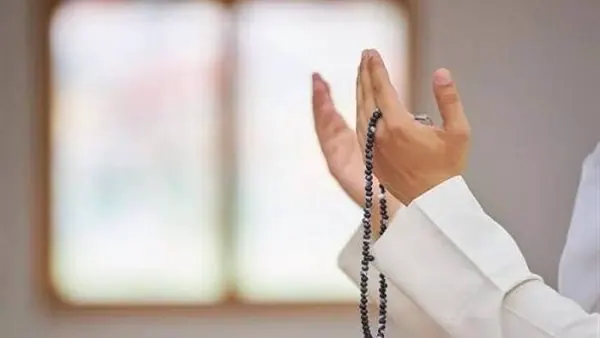
In a bid to seek divine protection from scandal, Egyptians are turning to morning prayers, reciting powerful invocations to safeguard their reputation and well-being. These prayers, often recited at dawn, are believed to bring positivity and blessings throughout the day. By invoking God's mercy and protection, individuals aim to shield themselves from harm and ensure a smooth start to their day.
According to Islamic tradition, prayer is an essential part of daily life, and reciting prayers in the morning is particularly significant. The Egyptian Dar al-Ifta, a prominent Islamic institution, has endorsed the practice of reciting prayers after completing the Quran, citing it as a recommended and established tradition among Muslims. This practice is seen as a way to seek guidance, protection, and blessings from Allah.
One popular prayer recited for protection from scandal is: "O God, take our hands out of distress and reveal to us the faces of truth. Guide us to what you love and protect us from mistakes. Do not take away from us the veil of your kindness and preserve us from the evils of the world." Such prayers reflect the deep-seated desire for divine protection and guidance in everyday life.
Another prayer widely recited is: "My Lord, the secret is with you, and you know all things. The lawful is what you have made lawful, and the unlawful is what you have prohibited. I ask you, by the light of your face, which illuminates the heavens and the earth, to accept me among your righteous servants and protect me from the fire of hell."
The prayers also emphasize the importance of seeking refuge from adversity and hardship. For instance: "O God, I seek refuge in you from the calamities of fate and the evils of destiny. Protect me from the pangs of poverty and the wrath of the universe. Keep me safe from the loss of blessings and the slipping of the feet." Such invocations demonstrate the Egyptians' reliance on faith and prayer to navigate life's challenges.
The practice of reciting morning prayers has become an integral part of Egyptian daily life, with many people finding solace and comfort in these invocations. By seeking divine protection and guidance, individuals aim to cultivate a sense of inner peace and resilience in the face of adversity. As one prayer goes: "O God, have mercy on me with your mercy, O most merciful. Remove from me what has befallen me of harm and evil."
Ultimately, the morning prayers serve as a powerful reminder of the Egyptians' deep faith and trust in Allah. As they begin their day with these invocations, they seek to align themselves with God's will and ensure a path filled with righteousness and guidance. The prayers conclude with expressions of gratitude and submission, such as: "There is no god but Allah, before everything and after everything. Allah remains, and everything perishes."
Key points
- Egyptians recite morning prayers to seek divine protection from scandal and hardship.
- The prayers are often recited at dawn and are believed to bring positivity and blessings throughout the day.
- The practice of reciting morning prayers is an established tradition in Egyptian culture, reflecting the country's deep Islamic heritage.