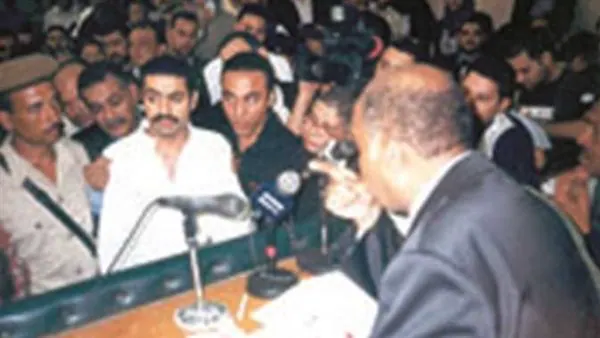
In the early hours of December 29, 2005, the residents of Ezbet Shams El-Din in Minya, Egypt, were unaware of the horrific events that would unfold. Mahmoud Mohamed Abd El-Wahid, a local resident, reported hearing dog barks around 2:00 AM. He looked out of his window and saw a person moving near the house of Yahia Abubaker, one of the victims.
Abd El-Wahid's testimony, which was part of the investigation, revealed that he recognized the person as Mohamed Ali Mohamed Ahmed Abd El-Latif, who would later become the main suspect in the case. However, Abd El-Wahid's account raised questions about whether he actually witnessed the crime. He stated that he did not see Abd El-Latif carrying a weapon and did not observe him entering the house.
Another witness, Ahmed Abd El-Aziz, provided a different account of the events. He stated that he left his house on the night of the incident and noticed a sense of unease in front of the suspect's house. After entering the mosque, he heard screams and came out to find Bakri Abu Bakr Abd El-Hamid discussing the murder of his brother and mother.
As news of the killings spread, Abd El-Aziz learned about the murder of Sid Mahmoud, his wife, and their children, as well as Yahia Abubaker, his wife, and their children. However, Abd El-Aziz's testimony did not include a sighting of the suspect on the night of the crime, casting doubt on the eyewitness accounts.
Upon reviewing the testimonies, it becomes clear that there are discrepancies in the witnesses' accounts. One witness reported seeing a person near the scene of the crime but did not witness the actual killing. Another witness described hearing screams but did not see the suspect.
The investigation included reports of previous incidents involving the suspect, such as entering homes in the area and carrying a knife. However, the court ultimately found these incidents to be insufficient evidence to prove that Abd El-Latif committed the mass murder.
The case raised questions about the reliability of eyewitness testimony and the challenges of proving guilt in the absence of concrete evidence. Despite the witnesses' accounts, the court ultimately acquitted Abd El-Latif, citing insufficient evidence. The Minya massacre remains a tragic and complex event that continues to raise questions about justice and accountability.
Key points
- Witnesses reported hearing dog barks and screams on the night of the Minya massacre but did not necessarily see the suspect committing the crime.
- The investigation and court proceedings highlighted the challenges of proving guilt in the absence of concrete evidence.
- The case was ultimately dismissed due to insufficient evidence, leaving many questions unanswered.