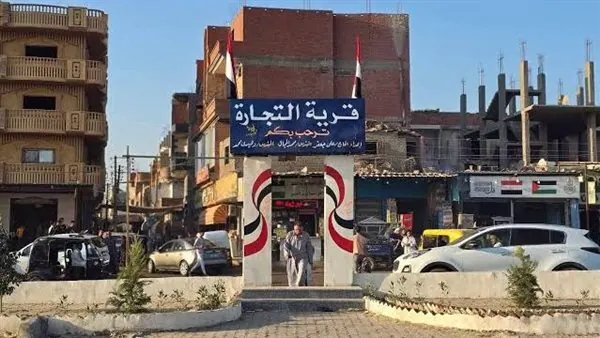
The issue dates back to a 1991 presidential decree that merged the city of Sadat and several surrounding villages from Beheira into Minufiya governorate. However, the decree has not been fully implemented, leaving several villages, including "Tajammu' al-Tijarah," in a state of limbo. The residents of these villages are facing difficulties accessing basic services such as healthcare and civil registry services.
The dispute has been ongoing for over 34 years, with residents of the affected villages holding identification cards issued by Minufiya governorate, while also relying on services provided by Beheira governorate. This has resulted in confusion and difficulties for residents, particularly when it comes to accessing healthcare and other essential services. For example, residents of "Tajammu' al-Tijarah" have to travel to either Sadat or Kom Hamada to access hospitals and civil registry services.
In 2017, the governor of Minufiya at the time, Hisham Abd al-Basit, issued a decree establishing new local administrative units in Sadat, which further complicated the situation. The decree merged several villages, including al-Khitatabah and al-Akhamas, into new administrative units, sparking controversy among residents. The residents of Kfar Dawud argued that their village, with a population of over 180,000, deserved to be upgraded to a city.
The dispute has significant implications for residents, who are often forced to navigate complex administrative procedures to access basic services. For example, when filing a police report, residents of "Tajammu' al-Tijarah" may be told to go to either Sadat or Kom Hamada, highlighting the confusion and inefficiencies caused by the administrative border dispute. This has resulted in a significant burden on residents, who must often travel long distances to access essential services.
Residents of the affected villages are calling for a clear resolution to the dispute, with many advocating for a single administrative authority to oversee services. They argue that this would simplify procedures and provide more efficient access to essential services. The issue has been discussed at various levels, including a meeting between officials from Minufiya and Beheira governorates to explore possible solutions.
Officials from Minufiya governorate have confirmed that efforts are underway to resolve the issue, including a request for coordinates from the Egyptian Survey Authority to demarcate the borders between the two governorates. The officials also stated that a new decree is being prepared to clarify the administrative boundaries and provide a clear framework for services.
The dispute highlights the complexities of administrative border disputes in Egypt, which can have significant implications for residents and local services. A resolution to the issue is expected to bring relief to residents of the affected villages, who have been facing difficulties for over three decades. The governorates of Minufiya and Beheira are working together to find a solution to the problem.
Key points
- The dispute has been ongoing for over 34 years, causing difficulties for residents accessing basic services.
- The 2017 decree further complicated the situation, sparking controversy among residents.
- Officials are working to resolve the issue, including demarcating borders and preparing a new decree.