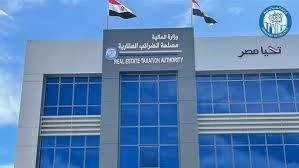
The Egyptian real estate tax authority has clarified that owning or receiving a residential unit does not automatically make it subject to property tax. According to Dr. Fadaa Fawad, deputy head of the real estate tax authority, the determining factor is the unit's actual condition, completion status, and readiness for use. This clarification aims to address confusion regarding tax obligations for vacant or under-construction units.
Dr. Fawad explained that tax declarations for units begin when they become usable or are actually being used, even if not all construction work is completed. A unit that has completed its facilities and finishes and is ready for housing is subject to tax declaration, even if it is vacant or not occupied by its owner. This means that a unit's readiness for use, rather than its occupancy status, determines its tax liability.
The tax authority's stance differs for units still under construction or incomplete and not ready for use. In such cases, tax declarations are not required. The declaration process starts after the unit is completed and made usable, with tax liability beginning the following year. This approach ensures that only units ready for use are subject to property tax.
Dr. Fawad emphasized that the purpose of purchasing a unit or its location does not affect its tax status. Whether a unit is bought for investment, located in a coastal area, or purchased for children while still under construction, its tax liability depends solely on its condition and readiness for use. This clarification helps property owners understand their tax obligations.
The real estate tax authority's guidelines also apply to investment units and properties in various regions, including coastal areas. The authority stresses that tax liability is not determined by a unit's ownership or receipt but by its completion and usability. This approach aims to create a fair and transparent tax system.
Dr. Fawad highlighted that the tax authority's focus is on the unit's actual condition and readiness for use, rather than its ownership status. This means that even if a unit is not used, it is still subject to tax if it is ready for use. Conversely, units under construction and not yet ready for use are not subject to tax.
The Egyptian real estate tax authority's clarification provides guidance for property owners and investors, emphasizing the importance of a unit's completion and usability in determining its tax liability. By focusing on these factors, the authority aims to ensure a fair and efficient tax system for all property owners.
Key points
- The Egyptian real estate tax authority clarifies that a unit's tax liability depends on its completion and readiness for use, not just ownership or receipt.
- Units that are completed and ready for use, but vacant or not occupied, are subject to property tax.
- The tax authority's guidelines apply to all types of properties, including investment units and those in coastal areas.