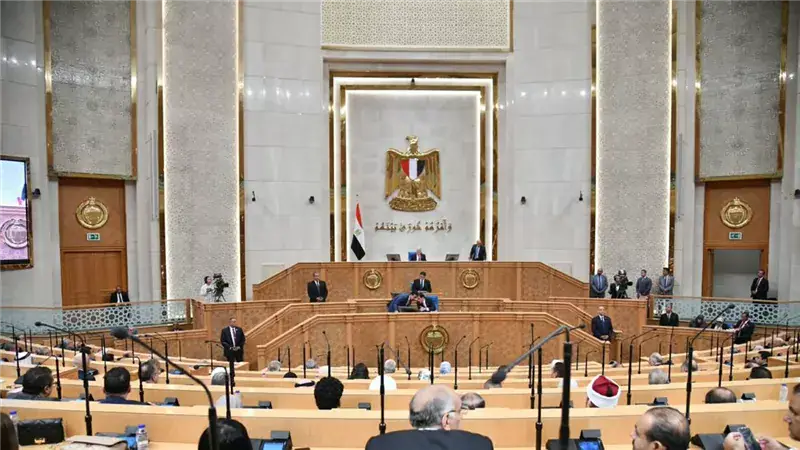
The Egyptian Senate recently witnessed a strong call to improve the financial situation of imams and enhance their training programs. Senator Mohamed Abdelalim Sheikh expressed concerns about the low salaries of imams, questioning how they could focus on their duties with such limited financial compensation. He stated that an imam's salary is around 8900 EGP, with additional allowances for clothing and other expenses that may reach up to 2000 EGP.
Senator Sheikh emphasized that imams face significant financial difficulties, often struggling to make ends meet. He described their situation as impoverished, highlighting that some imams are forced to take on additional jobs to support themselves and their families. This situation, he argued, hampers their ability to effectively perform their religious and societal roles.
In response to these challenges, Senator Shirin Sabri advocated for a comprehensive national project to promote moderate thinking and transform religious discourse into a societal culture and practical behavior. She stressed that achieving this goal requires the restoration of Egypt's original values and strengthening social cohesion. Sabri pointed out that Egyptian society has lost some of its core values, such as caring for neighbors, due to the isolation experienced by young people.
Senator Sabri highlighted the need for coordination among various government ministries, including Awqaf, Education, Media, Youth, and Sports, to launch a national project for promoting moderate thinking. She emphasized that spreading awareness and correcting misconceptions is not solely the responsibility of the Ministry of Awqaf but requires the collective efforts of all state institutions.
Furthermore, Senator Sabri called for the development of imam training programs to include studies in psychology and sociology. She explained that understanding the psychology and thought patterns of young people is crucial for imams to effectively communicate and influence them. This suggestion was made during a discussion on the Ministry of Awqaf's policies regarding the promotion of moderate thinking and the development of imam training programs.
The discussion in the Senate also touched upon the management and investment of waqf assets to maximize their returns. Senators emphasized the importance of optimizing the use of these assets to support various societal and charitable activities. The session was chaired by Counselor Essam El-Din Farid, and senators reiterated the need for a more comprehensive approach to addressing the challenges faced by imams and the broader community.
The Egyptian Senate's discussion underscores the complexities of addressing the financial and professional challenges faced by imams. By advocating for better salaries, enhanced training, and a national project to promote moderate thinking, senators aim to support imams in their roles and foster a more cohesive and aware society. The outcome of these discussions and the implementation of proposed measures will be closely watched as they have the potential to impact Egypt's social and religious landscape.
Key points
- Egyptian Senator Mohamed Abdelalim Sheikh criticizes low salaries of imams, calling it a challenge for them to focus on their role.