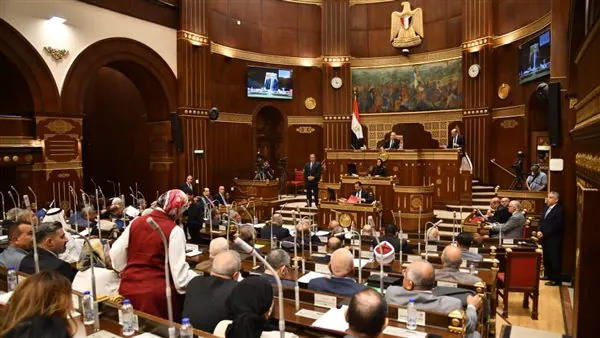
The Egyptian Senate's Housing Committee, led by MP Helmy Gawish, has proposed a new regulatory framework to address stalled real estate projects. The framework aims to provide a clear mechanism for early intervention and restructuring of troubled projects. According to Gawish, the current situation requires a comprehensive approach to regulate the real estate market, ensuring that projects are completed and citizens' and investors' funds are protected.
Gawish emphasized that regulating the real estate market should not only focus on establishing rules for developers and launching projects but also cover the entire project lifecycle, including a clear legal path for dealing with stalled projects. He stressed that the philosophy behind addressing stalled projects should prioritize saving the project, not the developer, to preserve the economic asset and protect the rights of those involved.
The proposed framework suggests establishing an "early warning system" based on objective indicators, such as actual implementation rates, adherence to timelines, financial obligations, and progress rates. This system would enable the monitoring of stalled project indicators before they reach a complete halt. The next stage would involve classifying the stalled project's status, determining a deadline, and outlining a restructuring and correction plan.
In cases where the original developer is unable to complete the project, the legal framework should allow for the assignment of the project to an alternative developer or a capable entity, while preserving existing rights and contracts. Gawish also highlighted the need for clear rules to manage the finances of stalled projects, ensuring that available resources are directed towards completing priority tasks.
The proposed framework aims to separate the developer's responsibility for the stall from the project's fate, preventing the developer's failure to fulfill obligations from leading to the project's abandonment and loss of associated investments. Gawish emphasized that this mechanism does not exempt the stalled developer from their responsibilities but rather seeks to balance the interests of all parties involved.
According to Gawish, the real estate market requires clear rules to determine when a project is considered stalled, the procedures for intervention, and the parties responsible for restructuring. He believes that clear regulations will reduce conflicts and provide market parties with greater certainty. The goal is to create a more disciplined and sustainable real estate market that prioritizes prevention, early intervention, and project restructuring.
The Egyptian Senate's Housing Committee's proposals aim to create a balanced and sustainable real estate market that protects the rights of citizens, developers, and investors. By establishing a comprehensive regulatory framework, the committee seeks to prevent stalled projects, ensure the completion of ongoing projects, and promote a stable and secure investment environment.
Key points
- The Egyptian Senate's Housing Committee proposes a new regulatory framework to address stalled real estate projects, prioritizing early intervention and project restructuring.