The Egyptian market for scrap materials, used cans, and second-hand books has witnessed stable prices on Wednesday, September 30, 2026. According to recent data, the prices of these materials have not seen significant changes, reflecting a steady trend in the market. Scrap iron is priced between 7,500 and 8,500 pounds per ton, depending on quality and type. This stability is crucial for various industries that rely on these materials for recycling and production purposes.
In the scrap metal category, prices vary depending on the type and quality of the material. For instance, scrap copper is priced between 350 and 450 pounds per kilogram, while scrap aluminum ranges from 150 to 250 pounds per kilogram. Scrap plastic prices range from 12 to 25 pounds per kilogram, depending on the type. These prices are essential for manufacturers and recyclers who use these materials to produce new products.
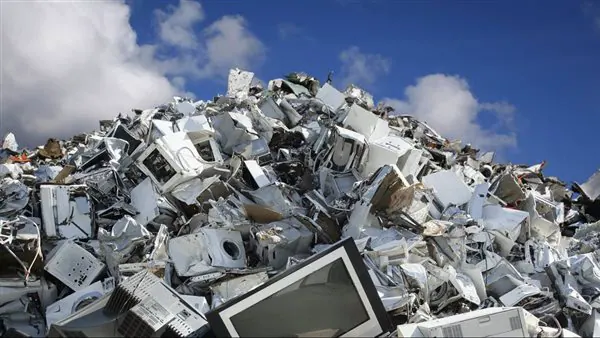
The market for electronic scrap, also known as e-waste, has a wide range of prices depending on the item and its condition. Old mobile phones can sell for between 50 and 400 pounds, while damaged desktop computers and laptops can fetch between 100 and 600 pounds. Used batteries are priced between 20 and 150 pounds per piece, and old televisions range from 50 to 500 pounds, depending on their size and condition.
Used cans, commonly referred to as "kanz," also have varying prices based on their previous use and size. Cans that previously held engine oil or were used for cars are priced between 5 and 12 pounds, while cans used for juices and carbonated beverages sell for 1 to 3 pounds. Cans used for food products like flour or legumes are priced between 2 and 5 pounds. These cans play a significant role in recycling and reducing environmental waste.
The second-hand book market in Egypt offers a range of prices for different types of books. Educational books are priced between 5 and 50 pounds, depending on the edition and condition. Literary and cultural books range from 10 to 80 pounds, while magazines and comics can sell for 2 to 20 pounds. This market not only provides affordable reading materials but also encourages recycling of paper products.
Several factors influence the prices of these materials, including their quality and condition, the type of metal or plastic, and the demand for scrap materials in recycling industries. Additionally, the start of the school year can impact the demand for second-hand educational books, and transportation costs can affect the final prices of these materials in the market.
Looking ahead, the market for scrap materials, used cans, and second-hand books is expected to remain relatively stable, with possible minor fluctuations based on demand from recycling factories, seasonal educational needs, and transportation costs. This stability is beneficial for both consumers looking for affordable goods and industries relying on these materials for production.
Key points
- The Egyptian market sees stable prices for scrap materials, used cans, and second-hand books.
- Prices vary depending on the type, quality, and condition of the materials.
- The market plays a crucial role in recycling, reducing environmental pollution, and providing affordable products.