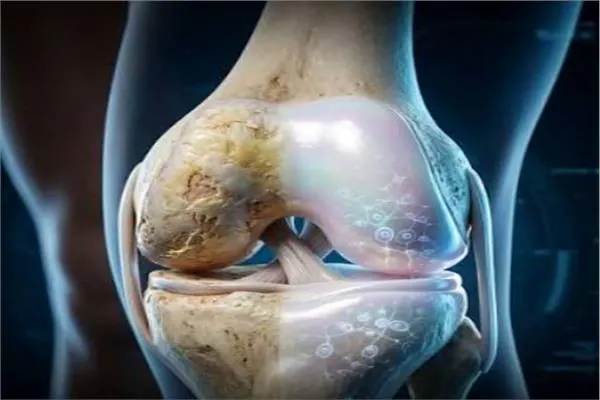
In a significant scientific achievement, researchers have successfully stimulated the growth of joint cartilage and potentially treated knee osteoarthritis. A team at Stanford University School of Medicine has discovered that by inhibiting a specific protein, 15-PGDH, they can encourage the body to rebuild damaged joint cartilage. This protein increases with age and limits the tissue's ability to regenerate.
The study, published in the journal Science, found that inhibiting 15-PGDH enabled the regeneration of joint cartilage in aged mice and protected them from degenerative joint disease after knee injuries that mimic human anterior cruciate ligament injuries. The researchers were able to stimulate the growth of joint cartilage by reactivating the ability of existing cartilage cells to produce new tissue.
A key finding of the study was that cartilage regrowth did not rely on stem cells, as previously thought, but rather on the cartilage cells already present in the joint. Inhibiting 15-PGDH altered the genetic activity of these cells, pushing them towards a more youthful state and encouraging them to produce cartilage components and contribute to the formation of new cartilage tissue.
The researchers also observed a decrease in cells and activities associated with cartilage degeneration, along with an increase in cells responsible for producing the essential components of joint cartilage. This breakthrough offers hope for the development of future treatments that target the root cause of cartilage damage rather than just alleviating pain.
The study's findings were not limited to animal models, as the researchers also tested the 15-PGDH inhibitor on human cartilage samples taken from patients who had undergone total knee replacement surgery due to osteoarthritis. After a week of treatment in the laboratory, the researchers observed a decrease in cartilage degeneration and signs of new joint cartilage formation.
These results suggest that it may be possible to develop a therapeutic approach that targets the cells within the cartilage itself, rather than relying solely on painkillers or procedures that alleviate symptoms. The study's lead author noted that this approach could potentially be used to treat a range of joint diseases, including osteoarthritis.
The discovery of the 15-PGDH protein's role in cartilage regeneration has significant implications for the treatment of osteoarthritis, a condition that affects millions of people worldwide. Further research is needed to translate these findings into human clinical trials, but the study's results offer a promising new avenue for the treatment of this debilitating condition.
Key points
- Researchers at Stanford University School of Medicine have discovered that inhibiting the 15-PGDH protein can stimulate the growth of joint cartilage and potentially treat knee osteoarthritis.
- The study found that cartilage regrowth was achieved through the activation of existing cartilage cells, rather than relying on stem cells.
- The researchers observed promising results in both animal models and human cartilage samples, suggesting a potential new therapeutic approach for treating osteoarthritis.