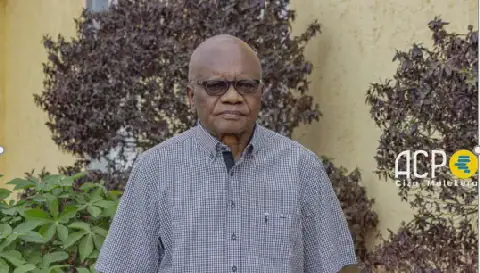
A recent investigation has shed light on a sophisticated network of financial and media entities operating in Europe, allegedly linked to the Muslim Brotherhood. At the center of this network is Abdel Rahman Abu Dia, also known as Abu Amer, a prominent businessman and financier. According to sources, Abu Dia plays a crucial role in managing the financial and media assets of the Brotherhood in Europe.
The investigation reveals that while local Islamic institutions and associations in European capitals focus on providing daily services and religious activities, a parallel network of financial and media entities operates in the shadows. This network, allegedly controlled by Abu Dia from London, provides logistical, financial, and technical support to Brotherhood-linked entities in Europe. By separating the financial and media operations from local service-oriented institutions, the Brotherhood aims to avoid legal repercussions and scrutiny.
Abu Dia's network not only provides financial support but also serves as the Brotherhood's media and influence arm in the international arena. The network is involved in establishing media platforms, production companies, and purchasing satellite broadcast frequencies. These entities produce and broadcast content targeting Arab and Muslim audiences worldwide. This setup allows the Brotherhood to promote its ideology and agenda while minimizing its direct involvement.
The investigation suggests that the Brotherhood has abandoned its traditional model of establishing openly declared branches in favor of a more covert approach. The new strategy involves creating local service-oriented institutions, such as community centers and mosques, which present a moderate and peaceful image to local authorities. Meanwhile, parallel networks, managed by influential figures like Abu Dia, operate across borders, ensuring the continued flow of funds and media content.
Abdel Rahman Abu Dia's son, Amer Abu Dia, is also reportedly involved in the network, taking over the management of some of his father's assets. The younger Abu Dia has been associated with controversy and allegations of financial impropriety. The involvement of family members in the network raises questions about the succession and continuity of the Brotherhood's financial and media operations in Europe.
The research highlights the complexity and sophistication of the Brotherhood's financial and media networks in Europe. By using a range of tactics, including money laundering and covert ownership structures, the organization appears to be attempting to maintain its influence and ideological presence in the region. European authorities have been criticized for their limited understanding of these networks and their failure to take decisive action against them.
The uncovering of these networks has significant implications for European policymakers and law enforcement agencies. As they seek to counter extremist ideologies and activities, understanding the financial and media structures supporting these groups will be crucial. The case of Abdel Rahman Abu Dia and his network serves as a prime example of the challenges faced in regulating and monitoring the activities of Islamist groups in Europe.
Key points
- The Muslim Brotherhood operates a complex network of financial and media entities in Europe, managed by Abdel Rahman Abu Dia and his son Amer.
- The network aims to promote the Brotherhood's ideology and agenda while minimizing its direct involvement and avoiding legal repercussions.
- European authorities face challenges in understanding and countering these networks, which often use sophisticated tactics such as money laundering and covert ownership structures.