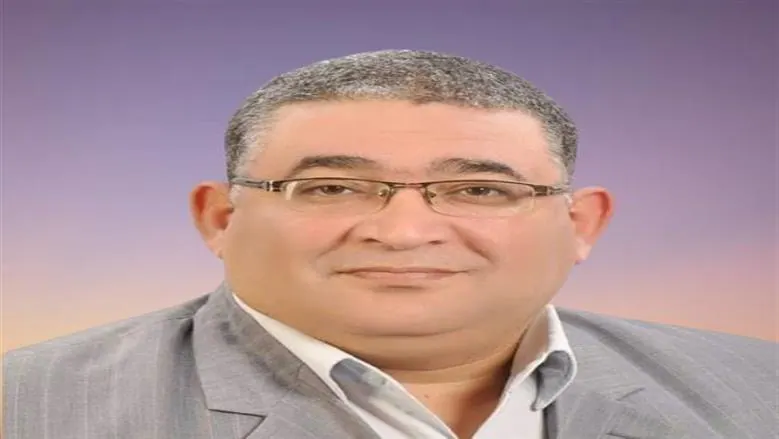
Egyptian researcher Tarek Abu El-Saad has shed light on the Muslim Brotherhood's tactics for spreading misinformation and fabricating reports. According to Abu El-Saad, the Brotherhood relies on organized committees and extensive social media presence to disseminate misleading narratives aimed at influencing public opinion. He described the Brotherhood as a group that "loves lying," with members trained to conceal their affiliation and create false events.
The process of creating fabricated reports involves several stages, starting with forming specialized committees comprised of paid individuals. These committees are tasked with executing a daily plan to attack Egypt, with members working in shifts. The next stage involves creating numerous social media accounts, with over 50 accounts per committee member. A hierarchical structure is then established to manage these committees, consisting of 25-30 individuals per group, with a supervisor monitoring their activity and comments.
Abu El-Saad explained that the committees are responsible for monitoring daily events and selecting suitable topics for manipulation. A "drafting committee" then determines the focus of the content to be published. Additionally, the Brotherhood establishes fake research centers in European capitals, which are used to publish reports on Egypt's situation, giving the impression that the information comes from a European research entity.
The fabricated reports are then published on social media pages, with the large number of affiliated pages helping to increase the content's spread. The algorithms of digital platforms also contribute to promoting the most read and browsed content, allowing it to reach a larger audience. Abu El-Saad described this as a "model for creating Muslim Brotherhood rumors," highlighting the group's reliance on continuously pushing misleading narratives, even when their accuracy is disputed.
According to Abu El-Saad, the Brotherhood's approach to dealing with rumors is based on the idea that it is easy to publish and believe a lie, but difficult to prove innocence and gain credibility. He drew a parallel with a widely attributed quote from Nazi propaganda minister Joseph Goebbels, who allegedly said that repeating a lie makes it more believable.
The researcher emphasized that the Brotherhood's tactics involve creating a complex network of committees and social media accounts, making it challenging to track and counter their misinformation efforts. He also noted that the group's reliance on fake research centers and fabricated reports aims to create an illusion of credibility and legitimacy.
The exposure of the Brotherhood's mechanisms for spreading misinformation highlights the ongoing challenges faced by Egypt and other countries in combating the group's propaganda efforts. As the group continues to adapt and evolve its tactics, researchers and authorities must remain vigilant in identifying and countering its misinformation campaigns.
Key points
- The Muslim Brotherhood uses organized committees and social media accounts to spread misinformation and fabricate reports.
- The group establishes fake research centers in European capitals to give credibility to its fabricated reports.
- The Brotherhood's approach to dealing with rumors is based on the idea that it is easy to publish and believe a lie, but difficult to prove innocence and gain credibility.