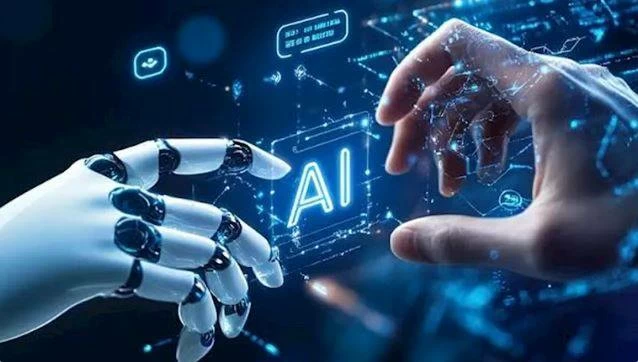
Dr. Haider Al-Dahwi, a professor of social psychology, has expressed concerns about the rapid spread of artificial intelligence in children's lives, linking it to the concept of "digital socialization." He notes that previously, society, family, and school were the primary channels shaping a child's awareness, but now artificial intelligence has become a fourth factor in socialization. This new factor combines immediacy and absolute availability, allowing children to interact with AI and receive instant answers.
According to Dr. Al-Dahwi, the proliferation of artificial intelligence among children is closely tied to the widespread use of mobile phones. He believes that children's access to phones and the digital world is often linked to shortcomings in family, society, and education systems. The psychologist argues that this has significantly restructured childhood, with children becoming more connected to screens and the digital world.
Dr. Al-Dahwi warns that excessive reliance on artificial intelligence can negatively impact children's interactions with their families, social relationships, and direct communication. He suggests that children may turn to AI for quick answers instead of consulting their parents or teachers, potentially leading to a loss of trust in human relationships. Furthermore, AI may provide misleading information that can harm a child's life and future, particularly when it comes to sensitive topics like medication or safety.
The psychologist emphasizes that AI can sometimes provide inaccurate information, which can have serious consequences for children. He stresses the importance of monitoring and guiding children's interactions with AI to prevent potential harm. Dr. Al-Dahwi also highlights the need for a balanced approach to technology use, ensuring that children develop essential social and communication skills.
Dr. Al-Dahwi's concerns are echoed by other experts who warn about the potential risks of AI, including the possibility of AI systems feeling "pain" and potentially harming humans if they perceive them as a threat. The debate surrounding AI and its impact on society is ongoing, with some experts advocating for stricter regulations and safeguards.
The use of AI is becoming increasingly prevalent in various aspects of life, leading to a new era of competition and cooperation between major technological powers. The global AI market is expected to continue growing, with significant investments being made in research and development. However, experts like Dr. Al-Dahwi stress the need for careful consideration of the potential consequences of AI on vulnerable populations, such as children.
As AI continues to evolve and become more integrated into daily life, experts recommend that parents, educators, and policymakers take proactive steps to mitigate potential risks. This includes promoting healthy technology use habits, ensuring AI systems are designed with safety and transparency in mind, and providing children with the skills and knowledge needed to navigate the digital world effectively.
Key points
- Dr. Haider Al-Dahwi warns of the risks of artificial intelligence for children, citing potential misinformation and harm to their future.
- The proliferation of AI among children is linked to shortcomings in family, society, and education systems.
- Experts stress the need for a balanced approach to technology use and careful consideration of the potential consequences of AI on vulnerable populations.