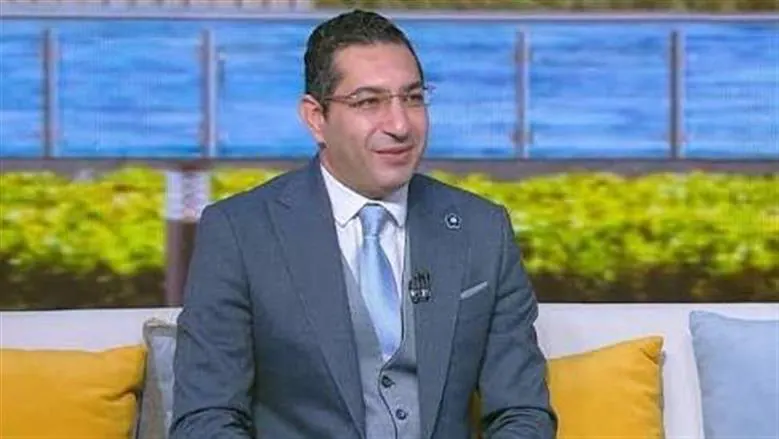
Egyptian professor of political science Hitham Omran has provided insight into the current state of US-Iranian negotiations. According to Omran, the negotiations are shifting towards partial deals. This change is attributed to the high military, economic, and political costs associated with continued escalation. Omran made these comments during a phone interview with journalist Dina Essmat on her program "Al-Yaum" broadcast on DMC.
Omran highlighted that Iran has expressed willingness to reopen the Strait of Hormuz. This move is contingent upon the lifting of sanctions, the release of frozen assets, and a cessation of military strikes. He noted that these demands appear less extensive than previous ones, which included the withdrawal of US forces from the region and a restructuring of security alliances.
The professor emphasized that the US administration is seeking an exit from the conflict. This decision comes after incurring significant financial losses without achieving primary objectives, such as regime change in Iran or the termination of Iranian control over the Strait of Hormuz. Additionally, the impact of rising oil prices on the US domestic scene has contributed to this shift in approach.
Omran also pointed out that an independent Israeli move could potentially hinder efforts to de-escalate tensions. He expressed concerns about a possible strike aimed at undermining diplomatic efforts. According to Omran, Washington currently appears more inclined to calm the situation and reach a temporary agreement with Iran rather than pursuing a comprehensive settlement.
The ongoing negotiations coincide with the United Nations General Assembly meetings. Omran suggested that the momentum generated by mediators during this period may help resolve some issues. He believes that the negotiations have transitioned from a tool for managing the crisis to a path that could contribute to resolving certain files.
The current developments in US-Iranian relations have significant implications for regional stability. As both parties engage in diplomatic efforts, the international community remains cautious about the potential for further escalation. Omran's analysis underscores the complexities of the situation and the challenges involved in reaching a mutually acceptable agreement.
The situation remains fluid, with various factors influencing the negotiations. The involvement of other regional players, including Israel, adds to the complexity of the situation. As the negotiations continue, it remains to be seen whether a partial deal can be reached and what the long-term implications might be for US-Iranian relations and regional stability.
Key points
- US and Iran are shifting towards partial deals in their negotiations.