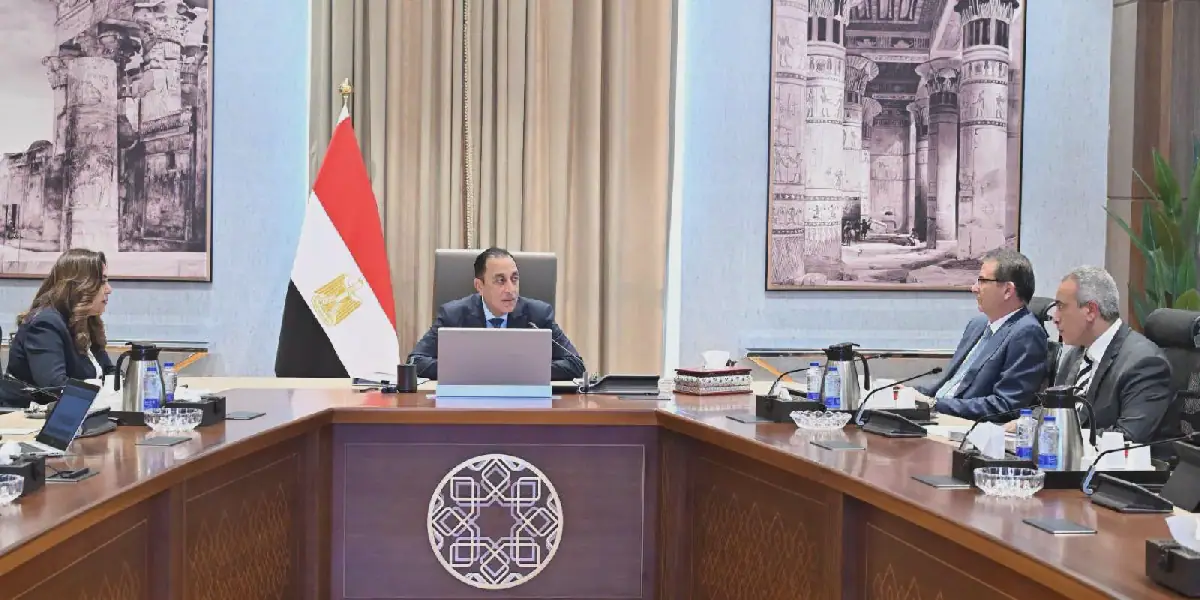
Egyptian Prime Minister Mostafa Madbouly recently met with ministers and officials to review progress on overhauling Egypt's scheme for settling certain building violations and legalising the properties concerned. The meeting was attended by several high-ranking officials, including Manal Awad, minister of local development and environment, and Alaa El-Din Farouk, minister of agriculture and land reclamation. The meeting aimed to discuss the government's plan to ease the burden on citizens and speed up the legalisation process.
The meeting reviewed the targets and recommendations of the Egypt Forum 2026 on the settlement file. The recommendations call for simpler procedures that speed up legalisation and ease the burden on citizens, with the process to be completed within 12 months of an amendment to the law being passed. The recommendations also suggest that settlement fees reflect differences in market values between areas, and that a distinction be made between private housing for low-income families and commercial or investment use.
Officials discussed how to put these concessions into practice, including revising the conditions and paperwork required, changing how settlement fees are assessed, and updating payment and instalment systems. The aim, according to the cabinet, is to balance citizens' social and economic circumstances with fair pricing and the protection of the state's rights. Madbouly said the government attached great importance to the file because it directly affects a large share of citizens.
Madbouly instructed officials to contact members of the House of Representatives who have submitted proposals and amendments to the draft settlement law. The goal is to agree on wording that reflects the different views and makes settlement easier for citizens while introducing controls to stop violations recurring and to close the door on new unlicensed construction. This is part of a wider push for planning discipline.
The prime minister closed the meeting by directing ministries and agencies to finish co-ordinating quickly, refine the proposed procedures, and complete the legislative drafting. The aim is to have the legal changes and the systems needed to apply them ready together. Madbouly said the presidential directives and the forum's recommendations had to be turned into practical steps that make life easier for citizens while protecting the state's rights.
The proposed changes include wider use of affordable instalment plans, incentives for early payment, and fewer documents for applicants. These changes aim to make the settlement process more accessible and convenient for citizens. The government hopes that these changes will encourage more people to participate in the settlement scheme and regularise their properties.
The review of the building violations settlement scheme is part of a broader effort to improve the business climate and encourage economic growth in Egypt. The government is working to address the concerns of citizens and businesses, and to create a more favourable environment for investment and development. The outcome of the review is expected to have a significant impact on the lives of many Egyptians who are affected by the scheme.
Key points
- The Egyptian government aims to complete the legalisation process within 12 months of an amendment to the law being passed.
- The proposed changes include wider use of affordable instalment plans and incentives for early payment.
- The review of the building violations settlement scheme is part of a broader effort to improve the business climate and encourage economic growth in Egypt.
Reporting sources
- Madbouly reviews plans to ease Egypt’s building violations settlement scheme · Daily News Egypt