Egyptian President Abdel Fattah El-Sisi's recent directive regarding the land registry issue of the Amir Mustafa Abdel Manaan endowment has been hailed as a positive step towards restoring confidence in the country's justice system. The directive, which halted the suspension of land registration procedures in the governorates of Damietta, Dakahlia, and Kafr El Sheikh, aims to prevent harm to citizens' rights resulting from administrative procedures. This move reflects the state's commitment to upholding the rule of law and ensuring that property rights are protected.
The decision to intervene in the land registry issue has far-reaching implications, extending beyond the resumption of registration procedures for landowners and property owners. It addresses a long-standing problem that had hindered individuals from completing the necessary legal documents and proving ownership. The directive also enables citizens to carry out real estate transactions in accordance with the relevant regulations, thereby protecting their interests and limiting potential complications.
The government's response to the presidential directive, as implemented by the Land Registry and Notary Public Authority, has resulted in the issuance of a new technical bulletin. This bulletin, numbered 13 and dated November 4, 2026, effectively cancels the previous bulletin, numbered 8, of 2026, and removes the restrictions imposed on land registration procedures in the three governorates. This move has brought an end to the lengthy suspension of registration and transcription procedures, allowing citizens to resume their transactions.
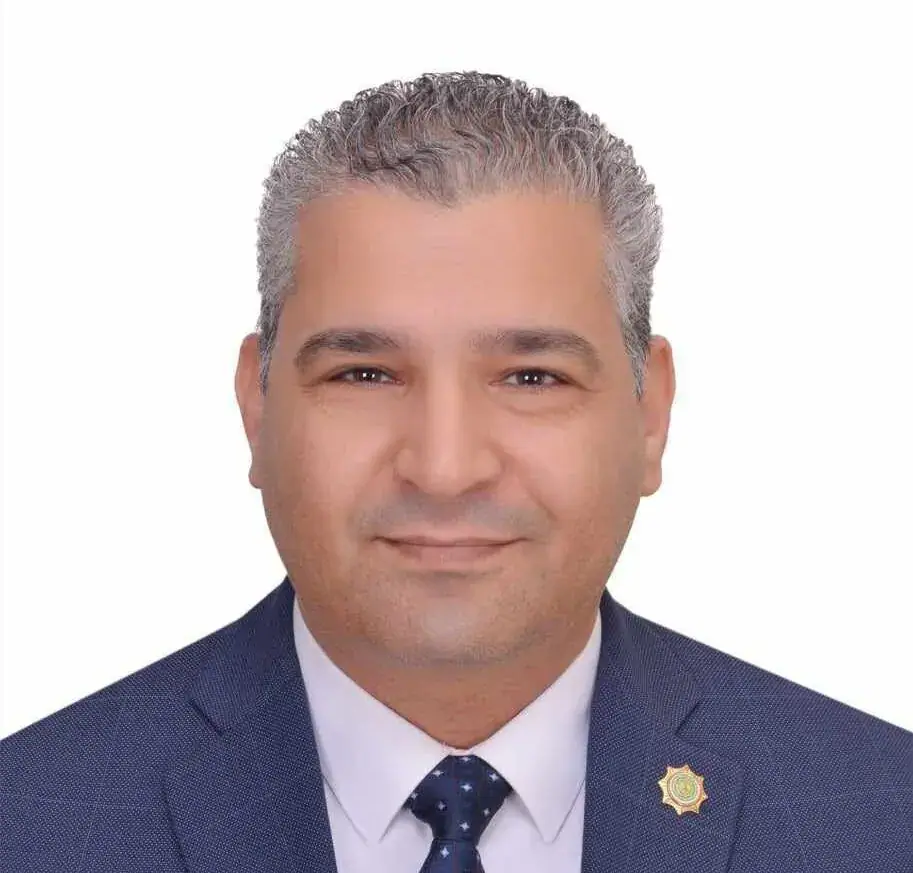
According to Dr. Eiad Rizk, a member of the Central Committee of the Republican People's Party, the presidential directive demonstrates the importance of having an administrative system that deals with real estate files in a flexible and responsible manner. This approach ensures that regulatory procedures do not become an obstacle to citizens' legitimate rights. Dr. Rizk emphasized that clear property ownership and sound documentation procedures contribute to protecting individuals' real estate wealth and enhancing confidence in state institutions and official transactions.
The protection of citizens' rights is not incompatible with the preservation of endowment funds and state assets. Instead, a proper legal framework should ensure that the rights of all parties are safeguarded without exception, preventing any encroachment on properties or public funds. Dr. Rizk stressed that providing clear pathways for rights holders to settle their affairs and complete procedures in a lawful manner is essential.
The presidential directive conveys a significant message regarding the need for authorities to listen to citizens' concerns and address their problems promptly. The stability of real estate transactions is closely tied to broad economic and social interests, affecting not only landowners but also the wider community. Dr. Rizk highlighted the importance of monitoring the implementation of the decision on the ground, ensuring that no procedural restrictions are reimposed, and facilitating interactions with citizens seeking to register their properties.
Ultimately, the presidential intervention in the land registry issue of the Amir Mustafa Abdel Manaan endowment has restored confidence in the justice system and protected property stability. The government's commitment to upholding the rule of law and safeguarding property rights has been reaffirmed. Key aspects of this development include the resumption of land registration procedures, the protection of citizens' rights, and the enhancement of confidence in state institutions.
Key points
- President Abdel Fattah El-Sisi's directive aims to prevent harm to citizens' rights resulting from administrative procedures.
- The decision addresses a long-standing problem that had hindered individuals from completing necessary legal documents and proving ownership.
- The government's response has resulted in the removal of restrictions imposed on land registration procedures in Damietta, Dakahlia, and Kafr El Sheikh governorates.