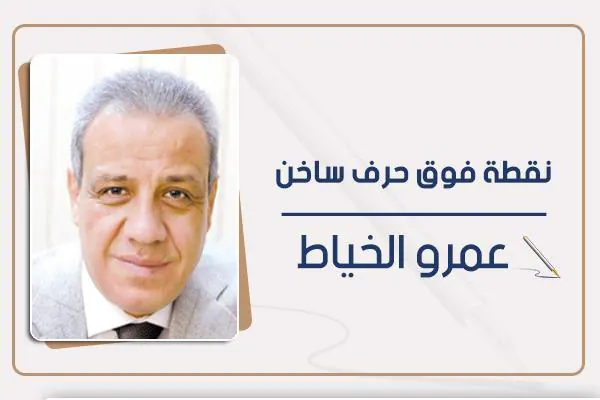
Egyptian President Abdel Fattah El-Sisi recently convened a meeting with Prime Minister, ministers, governors, and high-ranking officials from the military and police, as well as local leaders and experts. The gathering, held at the Strategic Command headquarters in the new capital, focused on addressing various national challenges. According to writer Amr El-Khayat, the meeting conveyed a significant message: Egypt is entering a phase that requires comprehensive management of its files, considering them as interconnected rather than separate issues.
The President reviewed significant events from 2011 to 2013, highlighting their impact on Egypt's economy and stability. He noted that the period following 2013 presented a substantial challenge in preserving the state and its institutions. El-Sisi emphasized that stability of institutions is not solely a political issue but a fundamental condition for protecting the economy, society, and national security. This statement underscores the importance of institutional stability in ensuring the country's overall well-being.
El-Sisi also stressed the role of public awareness in safeguarding the state, citing the use of social media platforms as tools to undermine the nation. However, he did not place the responsibility of countering rumors solely on citizens. Instead, he linked public awareness to the performance of state institutions, emphasizing the need for officials to improve their treatment of citizens and ensure they feel that state institutions are working in their favor.
The meeting highlighted the significance of engaging local communities in addressing national challenges. The presence of local leaders, or "umdas," at the meeting exemplified this approach. El-Sisi pointed to the example of a village in Minya governorate, where the local leader effectively tackled issues related to poverty, orphans, and child marriage, demonstrating that local communities can play a vital role in addressing societal problems.
On the economic front, El-Sisi's discussion focused on the regional context, particularly the impact of global events on Egypt's economy since 2020. He mentioned the loss of approximately $20 billion in Suez Canal revenues due to regional instability. This loss underscores the intricate relationship between Egypt's economy and regional security, highlighting the importance of maintaining stability in the region to ensure economic prosperity.
The President reaffirmed Egypt's commitment to the Palestinian cause, emphasizing the need for a two-state solution. He also expressed support for the security and stability of Gulf countries. These statements reflect Egypt's approach to regional issues, balancing its national interests with a commitment to peace and stability in the region.
El-Sisi's address concluded with an emphasis on comprehensive national development, encompassing economic, social, and security aspects. He highlighted the importance of education, healthcare, and transportation, linking these sectors to national security. The President's comprehensive approach aims to build a robust and resilient nation, capable of addressing current challenges while preparing for future developments.
Key points
- Egypt's President Abdel Fattah El-Sisi emphasizes the need for comprehensive national development.
- The President highlights the interconnectedness of economic, security, and social challenges facing Egypt.
- El-Sisi stresses the importance of institutional stability, public awareness, and local community engagement in addressing national challenges.