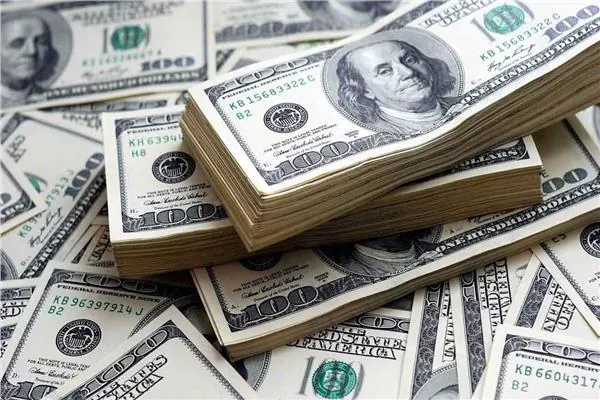
The US dollar declined against the Egyptian pound on September 20, 2026, according to reports from Egyptian banks. At the close of transactions, the dollar's exchange rate showed a notable decrease. This change reflects fluctuations in Egypt's foreign currency market. The Egyptian economy has experienced various shifts in its currency value against major foreign currencies. Market trends and economic policies contribute to these changes.
In several major Egyptian banks, the US dollar's buying and selling prices were reported as follows: The National Bank of Egypt and Bank of Egypt offered the dollar for 51.97 Egyptian pounds for purchase and 52.07 pounds for sale. Similarly, Cairo Bank and the Commercial International Bank - Egypt listed the dollar at 51.97 pounds for buying and 52.07 pounds for selling. These rates indicate a consistent trend across major financial institutions in Egypt.
The Central Bank of Egypt, the country's primary financial regulator, reported slightly different rates. The bank's buying rate for the US dollar was 51.95 pounds, while the selling rate was 52.09 pounds. These figures suggest a minor variation in exchange rates depending on the bank and its policies. The Central Bank plays a crucial role in managing Egypt's monetary policy and foreign exchange market.
The decline of the US dollar against the Egyptian pound on September 20, 2026, may be attributed to various economic factors. Egypt's economic policies, foreign trade balances, and global market trends influence currency exchange rates. A stronger Egyptian pound can indicate improved economic conditions or effective monetary policy management. Conversely, a weaker pound may signal economic challenges.
Earlier on September 20, 2026, the US dollar had shown an increase against the Egyptian pound at the start of transactions. This initial rise was followed by a decline, indicating market volatility. Such fluctuations are common in foreign exchange markets due to their sensitivity to economic indicators and global events. Market analysts and economists closely monitor these trends to understand underlying economic conditions.
The performance of the Egyptian pound against the US dollar and other currencies has significant implications for Egypt's economy. A stable or strengthening pound can boost consumer confidence and purchasing power. It may also reduce inflationary pressures associated with importing goods. On the other hand, a weak pound can make imports more expensive, potentially leading to higher prices for consumers.
Looking ahead, the Egyptian pound's value against the US dollar and other currencies will continue to be influenced by domestic and international economic factors. Egypt's economic reforms, trade balances, and global market trends will play crucial roles in determining future exchange rates. The Central Bank of Egypt and other financial authorities will likely continue to monitor and manage the situation to ensure economic stability.
Key points
- The US dollar declined against the Egyptian pound on September 20, 2026.
- Egyptian banks reported consistent exchange rates for the US dollar, with minor variations.
- The Central Bank of Egypt plays a crucial role in managing the country's monetary policy and foreign exchange market.