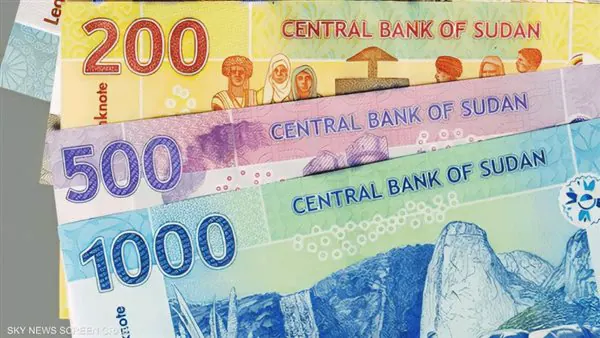
The Sudanese pound has shown stability against the US dollar in Sudanese banks on Saturday, October 10, 2026. According to recent reports, the exchange rate has been steady, reflecting a calm situation in the foreign exchange market. The Central Bank of Sudan plays a crucial role in regulating the exchange rate through its monetary policies. The bank's efforts aim to achieve relative stability for the Sudanese pound and reduce the gap between the official and parallel market exchange rates.
In Sudan's Central Bank, the exchange rate for the Sudanese pound against the US dollar is as follows: the purchase price is 4200 Sudanese pounds, and the selling price is 3700 Sudanese pounds. These rates are crucial for various economic transactions, including imports and exports. The Central Bank's control over the exchange rate has a significant impact on the overall economy, influencing inflation rates and the purchasing power of citizens.
The Sudanese pound, the official currency of the Republic of Sudan, is issued by the Central Bank of Sudan and symbolized by the code SDG. It is used in all transactions within the country. The pound has undergone several historical transformations since its adoption, particularly due to economic and political changes, including periods of high inflation and currency restructuring. These changes have affected its value against foreign currencies, especially the US dollar.
The Sudanese currency consists of various paper and metal denominations. The paper denominations include 1, 2, 5, 10, 20, 50, 100, 200, and 500 pounds. The metal denominations include 1 pound, 50 piasters, and 25 piasters. The availability and circulation of these denominations play a vital role in everyday transactions and the overall liquidity in the market.
The Sudanese pound faces challenges in both local and international markets due to various economic factors, including high inflation rates, exchange rate fluctuations, and a shortage of foreign currencies. Despite these challenges, the Central Bank of Sudan continues to implement monetary policies aimed at stabilizing the currency and reducing the gap between the official and parallel market exchange rates.
Several factors influence the movement of the Sudanese pound against the US dollar. These include local inflation rates and their impact on purchasing power, the volume of foreign exchange reserves held by the Central Bank of Sudan, export and import flows, and the country's political and economic stability. Additionally, the activity of the parallel market and its impact on official prices are significant factors.
Economists predict that the Sudanese pound will experience limited movement in the coming period, with potential continued pressure if economic challenges persist. However, a gradual improvement is possible if economic reforms are successful and foreign exchange inflows increase. It is essential for investors and traders to monitor the Central Bank of Sudan's decisions, global economic trends, and the parallel market's impact on official exchange rates.
Key points
- The exchange rate for the Sudanese pound against the US dollar in Sudan's Central Bank is 4200 pounds for purchase and 3700 pounds for sale.
- The Sudanese pound faces challenges due to high inflation rates and exchange rate fluctuations.
- The Central Bank of Sudan implements monetary policies to stabilize the currency and reduce the gap between official and parallel market exchange rates.