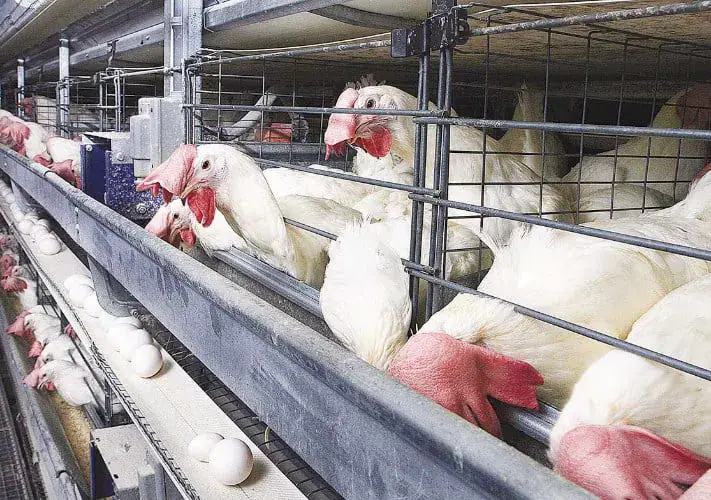
The Egyptian poultry industry is facing significant challenges due to rising production costs and declining prices. According to Tharwat El-Zini, Deputy Head of the General Union of Poultry Producers, the industry is experiencing losses and pressure due to the high cost of feed, which is directly linked to foreign exchange rates. Feed prices have increased by 8-9%, while poultry prices have dropped by 15% since the beginning of October.
El-Zini stated that the current selling price of poultry is lower than the production cost, which is around 75 pounds per kilogram. The price of poultry in farms was 70 pounds per kilogram, then rose to 73 pounds, while the cost of production is higher. Similarly, egg prices have also declined, from 115-120 pounds per carton to 100-105 pounds, a drop of over 10%. The production cost of an egg carton is currently over 115 pounds.
The industry is facing a significant problem due to the high cost of raw materials, shipping, and transportation, combined with low selling prices. El-Zini explained that poultry and eggs are perishable products that cannot be stored or hoarded, making it difficult to deal with declining prices. He warned of the consequences of continued pressure on the industry, questioning what would happen if local production were not available.
Egypt currently achieves self-sufficiency in poultry production and has a surplus of 25% in 2026 and 2027. However, this surplus has not been absorbed by exports. The daily production of eggs exceeds 45 million, and poultry production is over 4.5 million. El-Zini questioned the alternatives available if this production were not available, given the difference in prices of red meat and fish.
El-Zini emphasized the need to support the poultry industry and protect breeders. He noted that the average egg price over the past nine months was 84 pounds, reflecting the significant pressure on producers. He called for a ban on importing poultry, citing the availability of local production and significant surpluses.
El-Zini requested a comprehensive support package for breeders, including tax breaks, energy costs, and financing initiatives. He stressed that this support must be accompanied by a ban on importing poultry, given the existence of local production and unabsorbed surpluses. He also noted that importing poultry in current circumstances is meaningless and urged the government to provide foreign currency for importing other essential goods.
The industry is a significant employer and investor, with millions of workers and billions of pounds in investments. El-Zini emphasized the importance of cooperation and clear goals to protect the poultry industry. He called for support for breeders and continued local production, highlighting the need for a unified approach to address the challenges facing the industry.
Key points
- The Egyptian poultry industry is facing significant challenges due to rising production costs and declining prices.
- Industry leaders are calling for government support, including tax breaks, energy costs, and financing initiatives.
- A ban on importing poultry has been requested, citing the availability of local production and significant surpluses.