Egyptian political analyst Dr. Mohamed Sadek Ismail, director of the Arab Center for Political Studies, has stated that Gulf Arab states and the Arab region view the escalation between the US and Iran from two main perspectives: security and economic. The security aspect has seen direct threats between Iran and Gulf Cooperation Council countries, including the launch of drones and ballistic missiles.
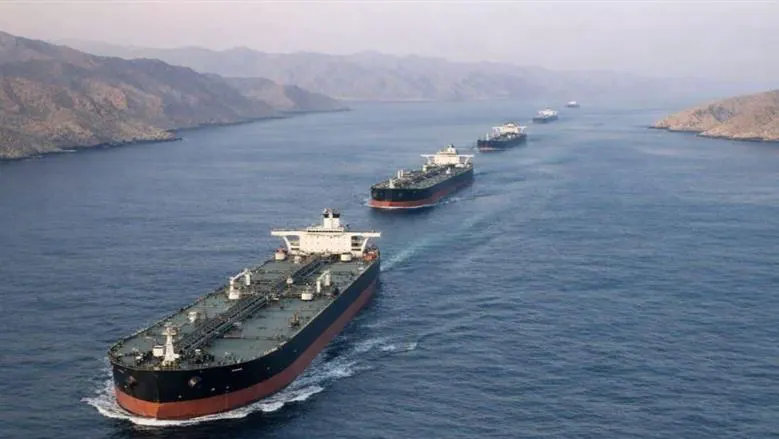
Dr. Ismail noted that the economic aspect was used by Iran after the war, not at its beginning, through hints at the Strait of Hormuz, and then using this card fully by confirming that ships passing through the strait must be welcomed by Iran or seek to establish a positive relationship with it. This led to a change in the war's path, which began on the background of the nuclear track and preventing Iran from possessing nuclear weapons.
The analyst pointed out that the nuclear file has currently receded compared to the advancement of the Strait of Hormuz file. The negotiation side is currently exploring the issue of opening or closing the Strait of Hormuz, the global energy crisis, and navigation paths, rather than focusing on the size of enriched uranium possessed by Iran or levels of uranium enrichment.
Dr. Ismail emphasized that the cost of the escalation borne by regional countries is very high and extends to multiple dimensions. About 20 million barrels of oil used to pass through the Strait of Hormuz, while current numbers talk about 3-4 million barrels passing through, in contrast to statements by US President Donald Trump that mentioned the number reaching 15 million barrels.
The analyst also noted that the energy crisis appears in Europe, the Arab world, and the US, pointing to the rise in the price of a gallon of diesel from $1 to $2 and then to $6.5, considering this to reflect the size of the economic repercussions of the escalation. The current situation highlights the significant impact of the Strait of Hormuz on global energy supplies.
According to Dr. Ismail, the Gulf states and the Arab region are closely monitoring the situation, understanding the potential risks and consequences of the escalation. The analyst stressed that a resolution to the conflict is crucial to maintaining regional stability and preventing further economic and security threats.
The situation remains complex, with multiple factors at play, including the nuclear program, regional security, and global energy markets. As tensions continue, the international community watches closely, aware of the potential for significant consequences if the situation escalates further.
Key points
- The Strait of Hormuz has become a key pressure card in the US-Iran escalation, with significant implications for regional security and global energy supplies.