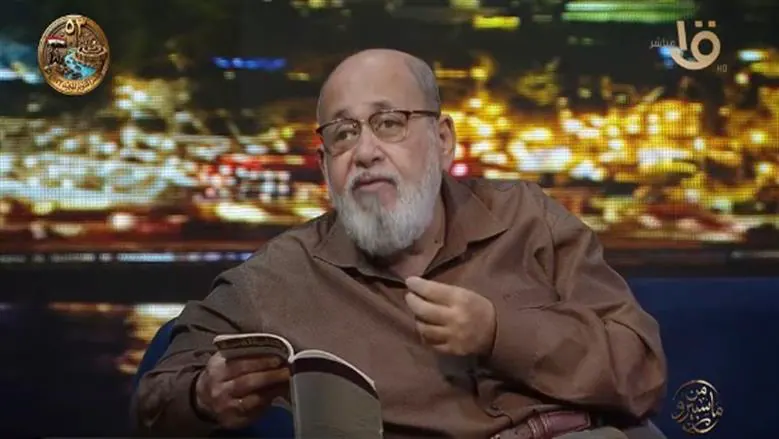
Egyptian poet Bahaa Jahin recently shared his memories of his late father, Salah Jahin, and his role in boosting the morale of Egyptians during the War of Attrition. According to Bahaa Jahin, his father created national and artistic works aimed at raising the spirits of Egyptians and reinforcing their ability to withstand the consequences of defeat. Salah Jahin's efforts focused on instilling hope in the Egyptian people, enabling them to overcome the challenges they faced.
Bahaa Jahin made these remarks during an interview with media personality Rami Radwan on the Egyptian TV program "Min Maspero," broadcast on the First Egyptian Channel. He recalled recording many songs by his father and mentioned a rare song titled "Grain Titles of the Future," which was linked to the events of the Abu Zaabal factory bombing during the War of Attrition. This tragic incident resulted in the loss of life among workers, deeply affecting Salah Jahin and prompting him to express his outrage through a poem.
The poem, according to Bahaa Jahin, conveyed national and humanitarian messages, envisioning a future for Egypt and inspiring hope in the hearts of its citizens regarding the liberation of Sinai and the recovery of occupied land. This song, dating back to 1970, was created three years before the October victory. Bahaa Jahin emphasized that his father saw his national role as supporting Egyptians through words and art, as he believed these mediums could foster resilience, enthusiasm, and confidence in the future.
The period between 1968 and the early 1970s witnessed a significant presence of national works in Salah Jahin's career, as he sought to transform feelings of pain and anger into positive energy that would support the Egyptian people and cling to the hope of victory. Bahaa Jahin's recollections highlight the critical role his father played in maintaining national morale during a tumultuous period in Egyptian history.
Salah Jahin's contributions to Egyptian culture and his role in boosting national morale during challenging times remain a subject of interest and appreciation. His son's reflections offer a glimpse into the poet's commitment to using his art to inspire and uplift his fellow Egyptians. By examining Salah Jahin's works and legacy, it becomes clear that his impact on Egyptian culture and national identity continues to be felt.
The significance of Salah Jahin's work during the War of Attrition and its aftermath cannot be overstated. His poetry and songs served as a beacon of hope for many Egyptians, helping them navigate the difficulties of that era. Bahaa Jahin's memories of his father's efforts underscore the lasting influence of Salah Jahin's artistic and national contributions.
As Egypt continues to reflect on its history and cultural heritage, the legacy of poets like Salah Jahin serves as a reminder of the power of art to inspire, motivate, and bring people together in times of adversity. Bahaa Jahin's sharing of his father's story not only honors Salah Jahin's memory but also provides insight into the role of artists in shaping national identity and fostering resilience.
Key points
- Salah Jahin created national and artistic works to raise the spirits of Egyptians during the War of Attrition.