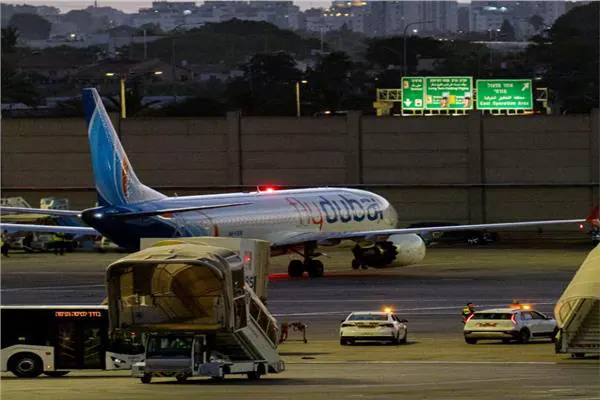
Captain Smeet Machhar, an Indian pilot for FlyDubai, narrowly escaped a potentially catastrophic flight incident on a journey from Dubai to Tel Aviv. During the flight, Machhar was attacked by his co-pilot, but he managed to open the cockpit door, allowing intervention to contain the situation as the plane was making a sharp descent. Machhar is currently receiving treatment at a hospital in Abu Dhabi.
According to reports, Machhar's condition is stable, and he is undergoing medical care in Abu Dhabi. While physical recovery is a priority, the psychological impact of such an experience may take time to fully manifest. The incident has raised questions about the long-term effects on Machhar's mental health. His wife, Sonal, stated that the family is avoiding discussions about the incident to prevent re-traumatizing him during his recovery.
The psychological impact of traumatic events can be significant, with individuals potentially experiencing fear, confusion, sleep disturbances, anxiety, and hypervigilance. The World Health Organization notes that most people exposed to traumatic events do not develop post-traumatic stress disorder (PTSD). Experts suggest that the brain may remain in a state of heightened alertness after a traumatic event, even after the physical danger has passed.
Individuals who have experienced trauma may become more sensitive to sounds, movements, or situations that remind them of the event. They may also experience difficulty sleeping, concentrating, or relaxing. In some cases, survivors may feel the need to constantly monitor their surroundings for potential threats. For a pilot who experienced a traumatic event in the cockpit, certain elements related to flying or the aircraft may serve as reminders of the incident.
The human brain may replay parts of a traumatic experience unexpectedly, known as intrusive memories or flashbacks. These memories can be triggered by sounds, smells, movements, or places associated with the incident. Experts emphasize that the recovery process from trauma does not follow a set timeline and that individuals should be allowed to process their experiences at their own pace.
Avoiding discussions about the traumatic event or exposure to related materials may be a coping mechanism for some individuals. However, this should not be confused with permanently avoiding conversations about the incident. Experts stress the importance of allowing survivors to decide when and how they want to discuss their experiences, and with whom.
Not everyone who experiences a traumatic event develops PTSD, and the likelihood of developing the disorder depends on various factors, including the severity of the event, prior experiences, and available support. PTSD is characterized by persistent symptoms such as re-experiencing the event, avoiding reminders, and increased fear responses, which significantly impact daily life.
Key points
- The psychological impact of traumatic events can be significant and long-lasting.
- Recovery from trauma does not follow a set timeline.
- Allowing survivors to process their experiences at their own pace is crucial.