Egypt's participation in the 81st UN General Assembly has come at a time of heightened international complexity, with crises in the Middle East overlapping with a waning global security order. According to Dr. Mohamed El-Tomawi, a researcher in international relations, this complexity is further compounded by the decreased effectiveness of some multilateral mechanisms and escalating economic pressures on developing nations.
Dr. El-Tomawi noted that Egypt's presence in New York went beyond traditional stances on regional crises. Instead, it pursued a broader approach that linked security, politics, economy, and development. This approach was reflected in the priorities outlined by the Prime Minister, which included regional crises, sustainable development, water security, climate change, digital transformation, and reform of the international financial system.
The researcher emphasized that Egypt's engagement in the UN General Assembly took place amidst significant global challenges. These challenges include ongoing crises in the Middle East and the repercussions of the COVID-19 pandemic, which have placed additional burdens on developing countries. In this context, Egypt's participation aimed to address these pressing issues through a comprehensive and integrated approach.
Egypt's priorities at the UN General Assembly encompassed several critical areas. These included addressing regional crises, promoting sustainable development, ensuring water security, and tackling climate change. The Egyptian delegation also focused on digital transformation and advocating for reforms to the international financial system, recognizing the need for more equitable and effective global governance.
Dr. El-Tomawi highlighted the significance of Egypt's active role in the UN General Assembly. He underscored that this role was not limited to expressing traditional positions but also involved engaging with the international community to address emerging challenges. By doing so, Egypt sought to contribute to the development of solutions that could help mitigate the impacts of global crises on developing nations.
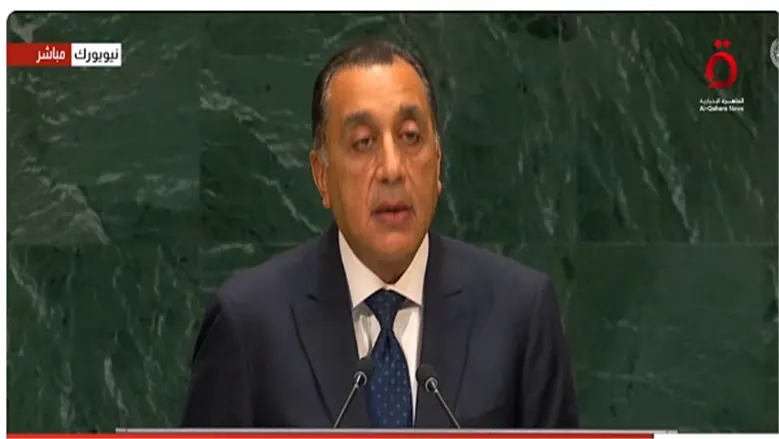
The Egyptian Prime Minister's address to the UN General Assembly reflected the country's commitment to addressing global challenges. The Prime Minister emphasized the need for collective action to tackle pressing issues such as climate change, water scarcity, and economic instability. He also highlighted Egypt's efforts to promote sustainable development and ensure the well-being of its citizens.
In conclusion, Egypt's participation in the 81st UN General Assembly was marked by a proactive and comprehensive approach. This approach aimed to address the complex challenges facing the international community, with a focus on promoting peace, security, and sustainable development. By engaging with global partners and advocating for reform, Egypt sought to contribute to a more equitable and stable world order.
Key points
- Egypt's participation in the UN General Assembly aimed to address global challenges through a comprehensive approach linking security, politics, economy, and development.
- The Egyptian delegation focused on priorities such as regional crises, sustainable development, water security, climate change, digital transformation, and reform of the international financial system.
- Egypt's engagement in the UN General Assembly reflected its commitment to promoting peace, security, and sustainable development, while advocating for a more equitable and effective global governance.