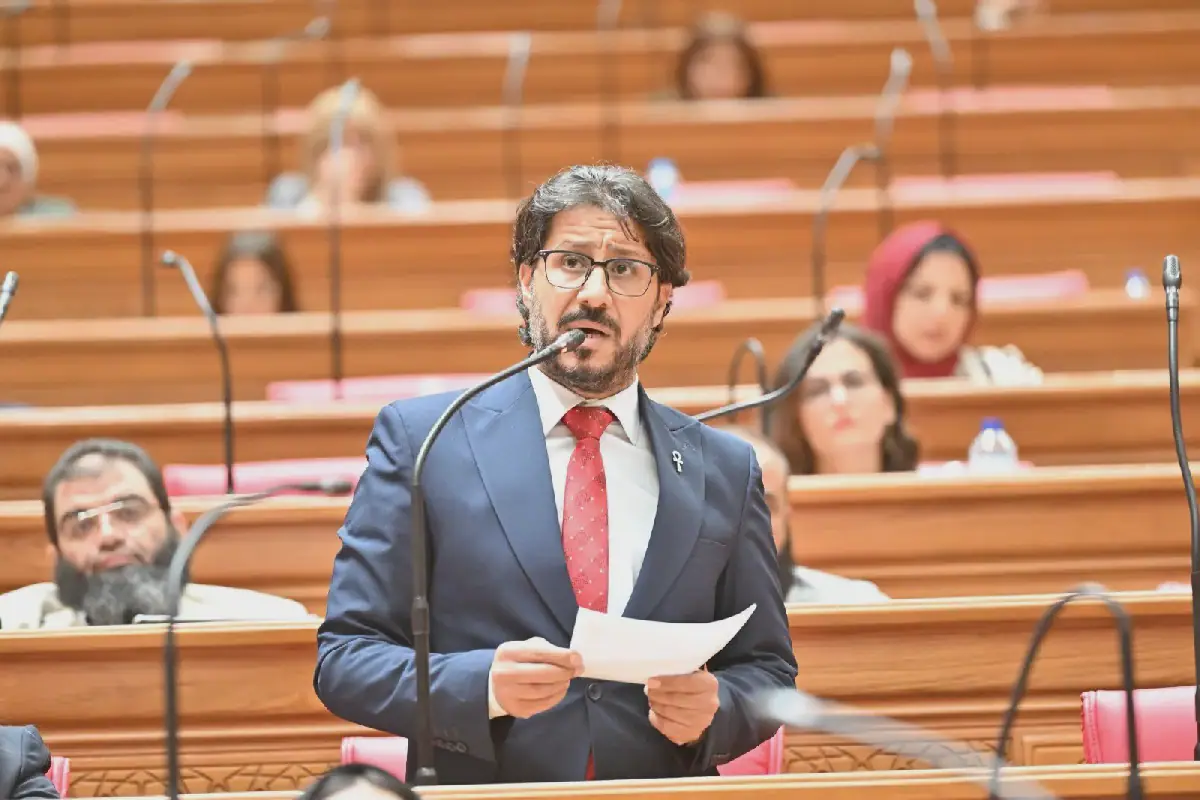
A request for parliamentary intervention has been submitted by Ahmed Bilal Al-Barlasi, Deputy Head of the Parliamentary Body of the Gathering Party, addressing the Prime Minister and the Minister of Transport. The request concerns the minister's responsibility for instructions related to the suspension of the Automatic Train Control (ATC) system. This follows a train collision in El-Ayat, Giza, on November 8, 2026, which resulted in 7 fatalities and 114 injuries.
The El-Ayat train collision involved two trains: number 134 from Giza to Fayoum and number 2010 from Cairo to Aswan. Preliminary investigations revealed that the driver of train 134 had disabled the ATC system. The Public Prosecution's statement on November 9, 2026, disclosed that the technical inspection of the train's control devices and station equipment confirmed the driver's actions. Furthermore, the investigation found that station officials in El-Raqqa failed to monitor the control panel and take necessary actions.
The request for intervention highlights a contradiction in statements made by the Minister of Transport, Kamal El-Wazir. In a televised interview on March 28, 2021, following a train collision in Sohag, the minister stated that he had instructed some drivers not to use the ATC system in certain areas due to delays it caused. However, the minister also emphasized the system's importance in preventing accidents and controlling train speed.
Al-Barlasi stressed that the minister's statements indicate a clear acknowledgment of issuing instructions to drivers to bypass the ATC system in specific locations to reduce delays. This raises questions about the extent of the minister's responsibility for the El-Ayat train collision. The deputy also pointed out that the Public Prosecution's findings on the driver's role in disabling the ATC system contradict the minister's previous statements.
The parliamentary request questions whether the minister's 2021 instructions remain in effect and their potential impact on the El-Ayat train collision. Al-Barlasi emphasized that the issue is not about defending individual actions but about distinguishing between individual and institutional responsibilities. He called for an investigation into the operating policies and instructions issued by the Ministry of Transport and the Egyptian National Railway Authority.
The request also raises concerns about the safety implications of allowing drivers to decide whether to use the ATC system based on their experience. Al-Barlasi argued that the ATC system's primary purpose is to provide an additional layer of safety that does not rely solely on human judgment. He stressed that prioritizing train schedules over passenger safety is unacceptable.
The Egyptian parliament is expected to investigate the matter and discuss the request for intervention. The outcome may lead to changes in the operating policies and procedures of the Egyptian National Railway Authority to ensure passenger safety. Key points include determining the minister's responsibility, reviewing instructions on using the ATC system, and ensuring that safety protocols are enforced.
Key points
- The Egyptian parliament will investigate the Transport Minister's role in the suspension of the Automatic Train Control system following a fatal train collision.
- The investigation will examine the minister's 2021 instructions to drivers and their potential link to the El-Ayat train collision.
- The parliamentary request emphasizes the need to prioritize passenger safety over train schedules.