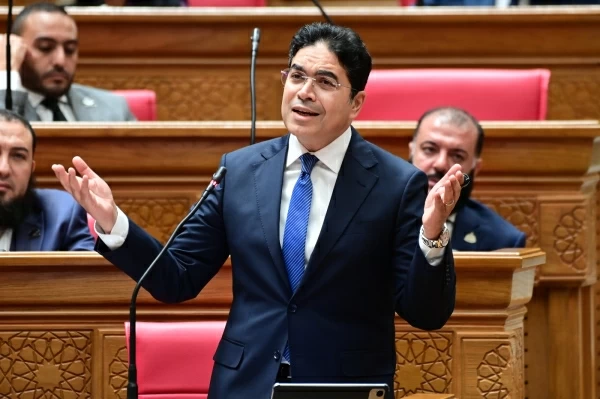
Egyptian parliament member Diaa El-Din Dawoud expressed criticism during a general session on September 30, 2026, regarding the procedures accompanying the emergency session to discuss the postponement of the Criminal Procedures Law. Dawoud emphasized that the law represents the country's second constitution and law of liberties. He called for the necessity of fulfilling the legal and constitutional conditions specified in Article 116 of the constitution and Article 275 of the parliament's internal regulations.
Dawoud highlighted a conflict in the dates presented in the committee's report and the date of submitting the law proposed by parliament member Hisham Al-Hosary. He questioned the reasons behind the sudden postponement after 28 sessions over 14 months of discussions in the special committee preparing the law. Dawoud also noted repeated assurances from concerned government parties about the readiness of the infrastructure and digital platforms.
The parliament member urged the preservation of legislative stability and avoidance of sudden decisions. He stated, "I clear my conscience before God and the people, keen on the nation's interest." Dawoud's statements sparked attention amid discussions on the law's postponement.
The emergency session was convened to discuss the postponement of the Criminal Procedures Law. The law's postponement has been a contentious issue, with some members supporting the delay and others opposing it. The discussions reflect broader concerns about the law's impact on the country's justice system.
Hisham Al-Hosary, the proposer of the law, responded to criticisms, stating that prior coordination and communication were made with the parliament's speaker regarding the importance and justification of the amendment and its critical timing. Al-Hosary added that the law proposal was officially submitted on the evening of the previous day, aligning with the procedural timelines.
The parliament's discussions on the law's postponement come amid concerns about the readiness of the necessary infrastructure for its implementation. The law aims to modernize Egypt's criminal procedures, but its postponement has raised questions about the government's preparedness.
The Egyptian parliament's decision on the law's postponement will have implications for the country's judicial reforms. The parliament's session highlighted the complexities and challenges surrounding the law's implementation.
Key points
- The Egyptian parliament's emergency session discussed the postponement of the Criminal Procedures Law.
- Parliament member Diaa El-Din Dawoud criticized the emergency session, citing procedural and timing issues.
- The law's postponement has sparked debate about legislative stability and the government's preparedness for its implementation.