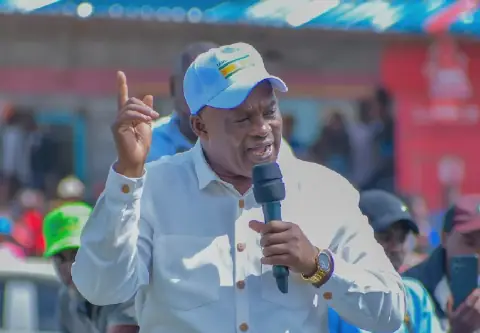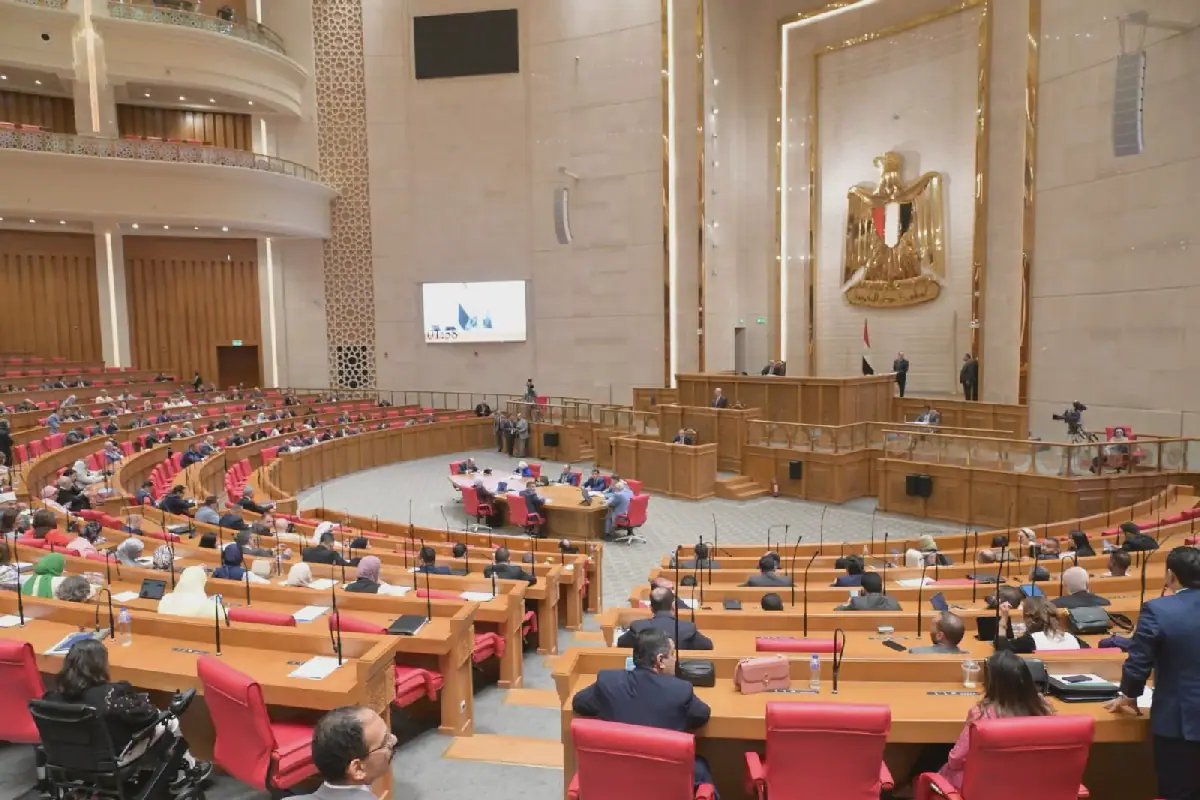
Egyptian Deputy Abdelstar Reza has expressed support for the government's efforts to regulate the country's electricity system and impose stricter penalties on violators. However, he also emphasized the need to consider the financial burdens faced by citizens, particularly pensioners and recipients of the Takaful and Karama program, due to rising electricity prices. Reza made these statements during a speech at the House of Representatives.
Reza highlighted the struggles of some citizens who receive monthly electricity bills of up to 1000-1500 Egyptian pounds, questioning their ability to afford additional costs given the increasing living expenses. He stressed that improving energy efficiency should start with addressing the state of service in rural areas, where outdated power transformers have been in use for years. Reza emphasized that upgrading the system's efficiency must coincide with developing the basic infrastructure and providing fair services to citizens.
The deputy noted that stricter penalties for violators should be balanced with ensuring fairness in the level of service provided. He stated that citizens do not want temporary solutions or relief measures but rather concrete actions on the ground. Reza called on the Prime Minister and the Minister of Electricity to reduce electricity prices and meter costs, and to urgently intervene in developing the power infrastructure in rural areas, particularly in the Qurna and Armant centers of Luxor Governorate.
Reza's statements reflect the concerns of many Egyptians who are struggling with the rising costs of living and the quality of public services. The country's electricity system has faced challenges in recent years, including power outages and high bills. The government's efforts to improve the system and impose penalties on violators aim to address these issues. However, Reza's comments highlight the need for a more comprehensive approach that takes into account the needs and financial situations of citizens.
The Egyptian government has been working to upgrade the country's power infrastructure and improve the efficiency of the electricity system. This includes investing in new technologies and infrastructure, as well as implementing measures to reduce energy consumption and promote renewable energy sources. However, the process of upgrading the system is complex and requires significant investment, which can be challenging given the country's economic constraints.
Reza's call for lower electricity prices and improved services reflects the demands of many citizens who are seeking relief from the financial burdens imposed by high energy costs. The government's response to these demands will be crucial in determining the success of its efforts to improve the electricity system and address the needs of citizens. The issue is likely to remain a key concern for policymakers and citizens alike in the coming months.
The debate over electricity prices and the quality of service is part of a broader discussion about the role of the government in providing essential services to citizens. Reza's comments highlight the need for a balanced approach that takes into account the needs of citizens, the financial constraints of the government, and the requirements of the country's economic development. The government's ability to address these challenges will be critical in determining its success in improving the lives of Egyptian citizens.
Key points
- Deputy Abdelstar Reza calls for reduced electricity prices and upgraded power infrastructure in rural areas.