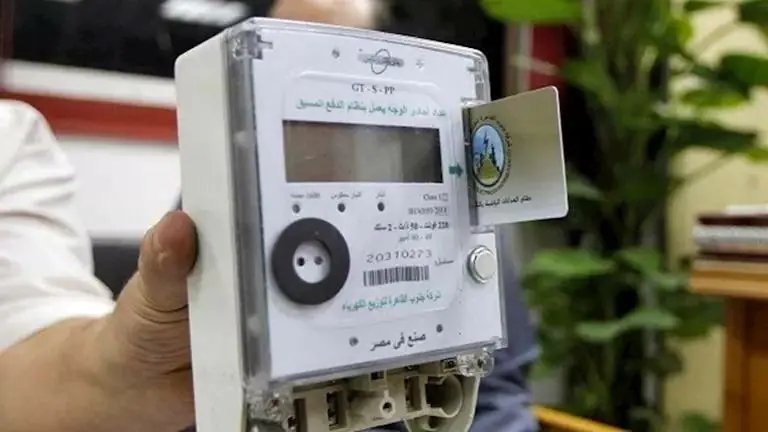
A member of Egypt's House of Representatives, Ahmed Ferghli, has submitted a request for information to the parliament's speaker, addressing concerns over the replacement of electricity meters and retrospective billing. The request, directed to the prime minister, minister of electricity and renewable energy, and minister of supply and internal trade, highlights the financial burden on citizens. Ferghli notes that electricity distribution companies are forcing citizens to replace their meters at a cost of up to 3,000 EGP, including installation and inspection fees.
Ferghli argues that citizens are being forced to bear the costs of replacing their meters without requesting the change or committing any violations. He also points out that citizens have already paid for their existing meters when they were installed. The deputy claims that this move is an unfair distribution of responsibilities, as updating the networks and systems is the responsibility of the electricity companies. Ferghli emphasizes that this comes at a time when citizens are facing economic hardship.
The controversy also revolves around the application of a unified pricing system for coded meters, which has resulted in significant increases in electricity bills for many citizens. Ferghli notes that the Ministry of Electricity has applied a retrospective billing system, which has led to the appearance of financial differences and debts being deducted from citizens' accounts without prior notice. This has caused widespread discontent among citizens who had previously agreed to the installation of coded meters.
The coded meters were introduced several years ago to regulate and legitimize citizens' electricity usage, ensuring that the state receives its due payments. Citizens had complied with the official procedures and paid the required fees according to the pricing system announced at the time of installation. Ferghli argues that applying a high unified price to all coded meters without considering citizens' consumption patterns or economic and social conditions is an additional financial burden.
Ferghli also highlights the issue of data exchange between government agencies, which has led to the suspension of ration cards for some citizens. The Ministry of Supply and Internal Trade has stopped the ration cards of citizens who have paid for their electricity consumption using the "practice" system, based on data received from the Ministry of Electricity. This has further exacerbated the financial burdens on citizens.
The deputy emphasizes that applying a retrospective billing system to existing contracts undermines the principle of stability in legal relationships and respect for agreements between citizens and distribution companies. Ferghli's request for information aims to address these concerns and find a solution to the problems faced by citizens.
The controversy surrounding electricity meter replacement and retrospective billing has sparked concerns about the financial burdens on Egyptian citizens. The parliament's response to Ferghli's request will likely determine the course of action to be taken to address these issues. Key points to watch include the potential revision of the pricing system, measures to alleviate the financial burden on citizens, and steps to ensure transparency in the data exchange between government agencies.
Key points
- The Egyptian parliament is addressing concerns over mandatory electricity meter replacements and retrospective billing.
- Citizens are facing financial burdens due to the replacement of electricity meters and retrospective billing.
- The controversy has sparked concerns about the financial burdens on Egyptian citizens and the need for transparency in government agencies.