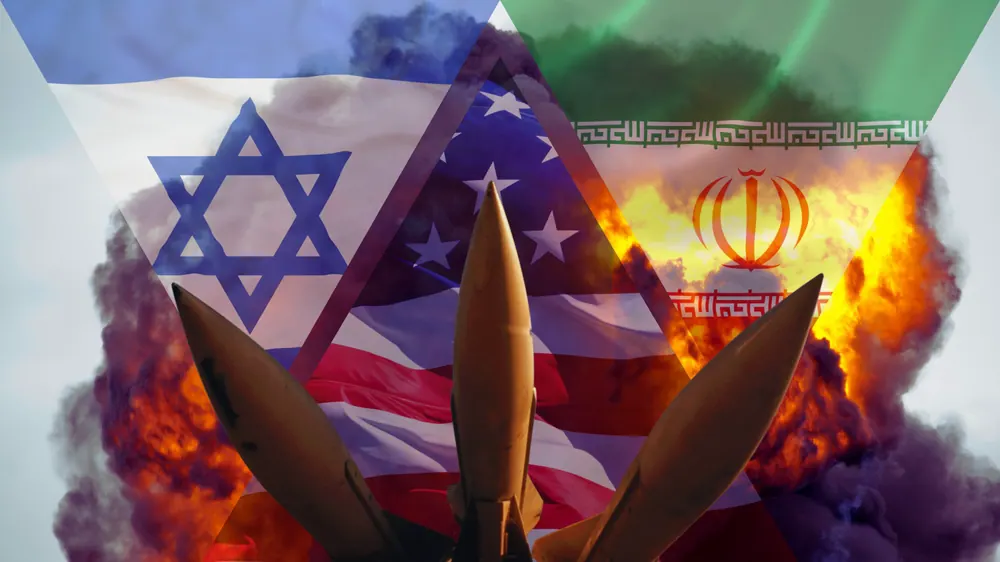
The situation in the Middle East continues to escalate, with concerns growing over a potential war between Iran and the United States. Egyptian and international leaders are closely watching the developments, as the conflict threatens to destabilize the region. According to reports, US President Trump has stated that he will make a major decision regarding Iran in the coming days. Trump has three options on the table: destroying Iran, allowing it to economically decline, or negotiating a new agreement.
Iranian officials have confirmed that they have submitted conditions to Qatar for resuming negotiations with the US. However, it remains unclear whether Trump's comments reflect a rejection of Iran's conditions. Despite the escalating rhetoric, Trump has expressed openness to meeting with Iranian President Hassan Rouhani on the sidelines of the United Nations General Assembly. This development has sparked hope that a breakthrough may still be possible.
The diplomatic efforts are set to intensify, with Trump scheduled to deliver a keynote speech at the UN General Assembly. He will also hold crucial meetings with Gulf leaders and Chinese President Xi Jinping. These interactions may lead to a shift in the US stance on Iran. According to Egyptian and international analysts, all parties involved in the conflict are keenly aware of the devastating consequences of war and are seeking a negotiated settlement.
The potential consequences of a war in the region are dire, with the global economy likely to suffer significantly. The impact on oil prices and supplies is a major concern, as the conflict could disrupt production and trade. Egyptian and international leaders are urging restraint and caution, as the situation teeters on a delicate balance.
Meanwhile, in Israel, Prime Minister Benjamin Netanyahu is facing a challenging election campaign. The Israeli leader is seeking to maintain his grip on power, but his prospects appear uncertain. Netanyahu's policies have been criticized by many, and his handling of recent conflicts has raised questions about his leadership.
The Israeli-Palestinian conflict remains a pressing issue, with Netanyahu's government facing criticism for its handling of the situation. The recent Israeli military operations in Lebanon have also raised concerns about the escalation of violence in the region. Egyptian and international leaders are closely monitoring the situation, as it has significant implications for regional stability.
The use of advanced technology, including drones and robots, is changing the nature of modern warfare. The Israeli military has recently announced the deployment of robots during operations in southern Lebanon. This development highlights the rapidly evolving nature of conflict and the need for nations to adapt to new challenges.
Key points
- The conflict between Iran and the US poses significant risks to regional stability and the global economy.
- Egyptian and international leaders are urging restraint and caution to prevent the escalation of violence.
- The Israeli-Palestinian conflict remains a pressing issue, with Netanyahu's government facing criticism for its handling of the situation.