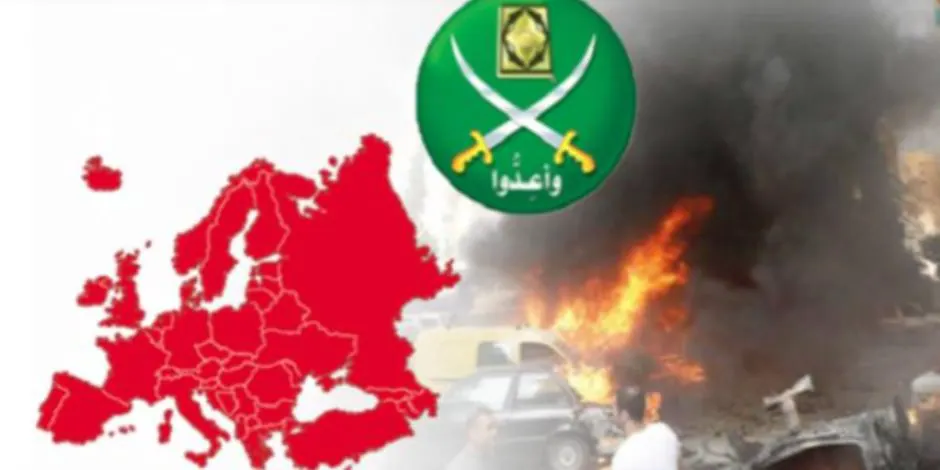
The Egyptian Muslim Brotherhood has experienced a dramatic downfall from its position of power to exile, revealing a deep gap between its rhetoric of empowerment and its current reality. After the group took control in 2012, it sought to dominate the state and exclude other political forces, sparking widespread public discontent that led to millions of Egyptians protesting on June 30, 2013.
Instead of conducting a thorough review of its actions, the Brotherhood's leadership became entrenched in denial and skepticism, clinging to the illusion of a forced return to power. The group's ousting from the domestic scene was accompanied by a massive exodus of its leaders to regional and Western capitals, where they engaged in intense internal conflicts.
The infighting is primarily between two fronts, Istanbul and London, which dispute the legitimacy of representing the Brotherhood and its leadership. This internal struggle extends to public conflicts over access to funding and its distribution among media outlets and external networks. The Brotherhood has also sought external support and relied on international pressure to regain influence.
As the Brotherhood's influence within Egypt dwindled, its leaders turned to international diplomacy, attending meetings and conferences in a desperate attempt to garner external pressure. The group shifted its focus from internal power struggles to appealing to foreign capitals for support.
The Brotherhood has heavily relied on a network of media outlets and channels operating from abroad to promote its narrative of victimhood and attack the Egyptian state. However, these outlets have not been immune to power struggles and financial crises, transforming them from tools of political pressure into an additional burden that reinforces the group's isolation and division.
The Brotherhood faces unprecedented political isolation and an existential crisis, with its experience culminating in organizational fragmentation and intense infighting over influence and financial interests. This situation underscores that entities founded on exclusion and the separation of partisan agendas from national interests are inevitably doomed to collapse and dispersion.
The group's current predicament raises questions about its future and the implications of its actions for the region. The Brotherhood's narrative of resistance and its attempts to regain influence through external support have not yielded the desired results, leaving it to confront the consequences of its own actions.
Key points
- The Egyptian Muslim Brotherhood is facing internal conflicts and financial struggles in exile.
- The group's leadership is disputing the legitimacy of representing the Brotherhood and its leadership.
- The Brotherhood's experience has culminated in organizational fragmentation and intense infighting over influence and financial interests.