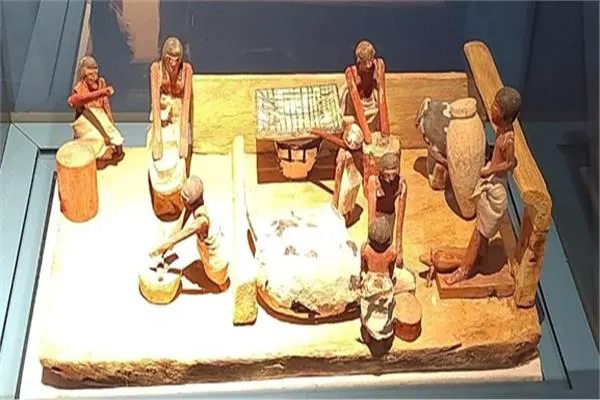
Egyptian museums are celebrating October victories, World Food Day, and World Post Day by showcasing unique artifacts from their collections. This monthly tradition aims to highlight the richness and diversity of Egyptian civilization and promote communication between the public and museums. The selected pieces reflect various aspects of Egyptian history, including military, social, and economic developments, as well as the evolution of communication and postal services.
In commemoration of October victories, museums have chosen artifacts that reflect the history of the Egyptian military and the development of combat tools. The Egyptian Military Museum is showcasing a metal-plated pistol with plant-based ornaments, while the Gayer Anderson Museum features a collection of 18th- and 19th-century Ottoman-style rifles. The Police Museum is displaying a light Russian-made machine gun used during the 1973 October War.
The celebrations also highlight the importance of food in Egyptian life and the means of production, preservation, storage, and transportation throughout history. The Coptic Museum is exhibiting a clay pot with a layer of mud and straw, featuring Coptic writings about a famine that occurred in 872 AD. The Cairo International Airport Museum is showcasing a limestone relief depicting offerings, including fruits and fish, while the Royal Carriages Museum features a "vegetable cart" used to transport produce to royal palaces.
On the occasion of World Post Day, the Suez National Museum and the Royal Jewelry Museum are highlighting historical letters and correspondence that reveal aspects of Egypt's communication and postal history. The Suez National Museum is displaying an irregularly shaped piece of paper representing an administrative letter from the Ottoman era, while the Royal Jewelry Museum features a gold message pendant presented to Princess Fawzia Fouad.
The exhibits also include pieces from various museums, such as the Imhotep Museum, which is showcasing a limestone base of King Zoser's statue, and the Tanis Museum, which features a bronze statue of the goddess Bastet. The Egyptian Museum is displaying the mummy of King Ahmose I, founder of the 18th dynasty, while the Mummification Museum features the lower part of a large coffin of a high priest of Amun.
The month-long celebrations provide a panoramic view of Egyptian civilization, showcasing military, agricultural, and postal history. The artifacts on display demonstrate the significance of these aspects of Egyptian life and offer insights into the country's rich cultural heritage.
By showcasing these unique artifacts, Egyptian museums aim to engage the public and promote a deeper understanding of the country's history and cultural significance. The exhibits will remain on display throughout October, offering visitors a chance to explore and appreciate Egypt's rich cultural legacy.
Key points
- Egyptian museums celebrate October victories, World Food Day, and World Post Day with special exhibits showcasing unique artifacts.