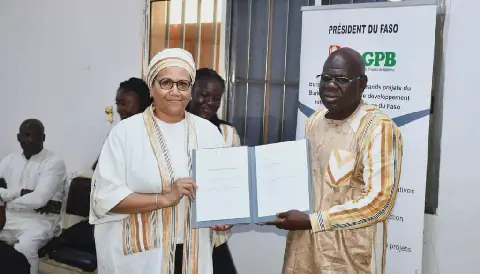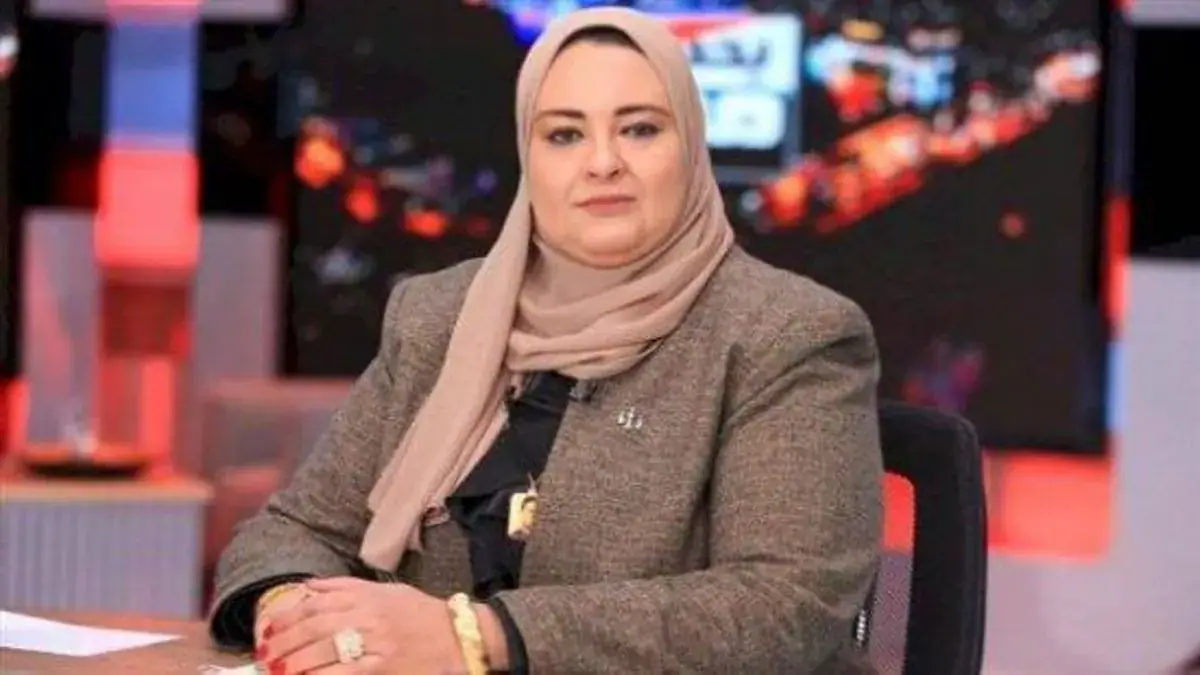
Amani Abu Sihli, a former Egyptian parliamentarian and mother from Qena, lost her only son, Saher, in a revenge killing in 2015. Despite being devastated, she refused to seek revenge and instead chose to lead reconciliation efforts in her community. Her personal tragedy turned into a humanitarian mission to end feuds and save families from a cycle of bloodshed. Abu Sihli's story has inspired many, showcasing her strength and compassion.
Abu Sihli's journey began when she lost her 16-year-old son, Saher, in a revenge killing in Qena's Farshout center. She was faced with a difficult decision: to succumb to the logic of revenge or to find another way to cope with her pain. She chose the latter, deciding not to pursue retaliation and instead working towards peace. This decision was not easy, given the societal norms in her community where revenge is often seen as a necessary response to loss.
Abu Sihli's efforts to promote peace and reconciliation led her to establish and lead a women's committee for reconciliation in Upper Egypt. Through this committee, she worked tirelessly to bring together feuding families and encourage them to forgive and move forward. Her approach was not just about brokering peace agreements but also about addressing the underlying issues that led to these conflicts. She worked closely with families, listening to their stories and appealing to their emotions.
As a woman in a patriarchal society, Abu Sihli recognized the unique role that women can play in promoting peace. She believed that mothers, who often bear the brunt of pain and suffering in conflicts, have a special capacity to influence their families' decisions and promote forgiveness. Through her work, Abu Sihli helped to empower women to take an active role in promoting peace and reconciliation in their communities.
Abu Sihli's work had a significant impact on her community, helping to end several long-standing feuds and saving countless lives. Her approach was not just about ending violence but also about rebuilding relationships and promoting a culture of peace. She worked with families to address the root causes of conflicts, such as disputes over land or resources, and encouraged them to find peaceful solutions.
Despite facing many challenges, Abu Sihli remained committed to her mission of promoting peace and reconciliation. Her work was not limited to her community; she also inspired others to follow in her footsteps. Her legacy continues to inspire people in Egypt and beyond, showing that even in the face of great tragedy, individuals can make a positive impact on their communities.
Abu Sihli's story serves as a powerful reminder of the importance of promoting peace and reconciliation in communities torn apart by conflict. Her selfless work has inspired many to follow in her footsteps, and her legacy will continue to inspire future generations. Her commitment to peace and forgiveness has shown that even in the darkest moments, there is always hope for a better future.
Key points
- Amani Abu Sihli chose peace over revenge after losing her son in a revenge killing.
- She established a women's committee for reconciliation in Upper Egypt, working to bring together feuding families and promote forgiveness.
- Abu Sihli's work has had a lasting impact on her community, inspiring others to promote peace and reconciliation.