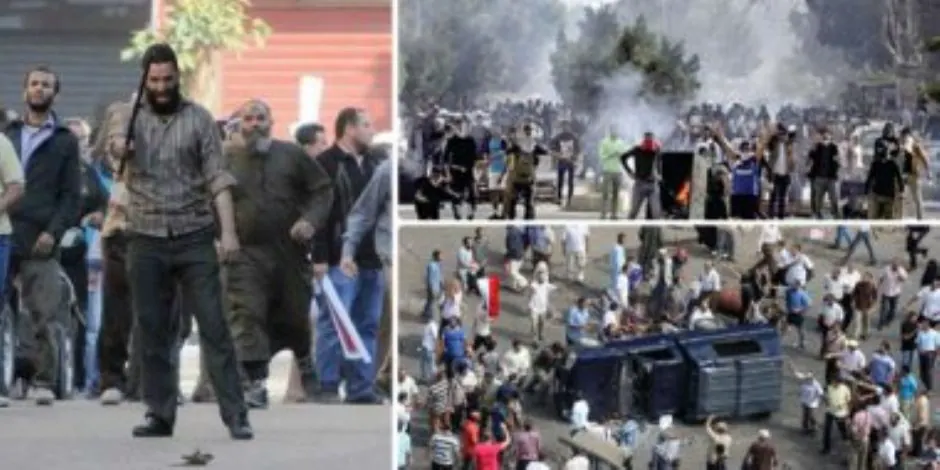
The Egyptian Ministry of Interior has uncovered a pattern of digital misinformation employed by the Muslim Brotherhood, involving the reuse of old videos to create the illusion of recent events. This tactic was highlighted when, on November 2, 2025, the Ministry debunked a video circulating on social media, allegedly showing an explosion on Cairo's Ring Road. The footage, however, was found to be from 2015.
The Ministry of Interior's investigations revealed that social media accounts linked to the Muslim Brotherhood were behind the dissemination of the outdated video. By presenting the footage as a current event, these accounts aimed to provoke concern and confusion among the public. The Ministry emphasized that the video had been previously addressed in 2015, and necessary legal actions were taken at the time.
A key aspect of this misinformation strategy is the removal of contextual information, such as the date and location of the event, which allows the accompanying narrative to shape public perception. This manipulation underscores the importance of verifying the authenticity and source of visual content, especially when it pertains to alleged security incidents or breaking events.
The Muslim Brotherhood's approach to information warfare involves excavating past events, isolating specific scenes, and re-releasing them as if they were new. This method seeks to create a false narrative, leveraging the rapid spread of digital content and the public's limited recall of past events. By doing so, the group attempts to manufacture a sense of urgency and confusion.
The reuse of old videos as a tool for spreading misinformation highlights the challenges of digital communication, where the line between fact and fiction can become blurred. The Ministry of Interior's efforts to counter such tactics demonstrate the ongoing battle to maintain the integrity of information and prevent the spread of false narratives.
Experts view this phenomenon as a manifestation of the broader struggle for control of the narrative in the digital age. By recontextualizing past events, groups like the Muslim Brotherhood aim to shape public opinion and influence the agenda. However, the Ministry of Interior's proactive stance in debunking these claims serves as a countermeasure to this form of digital manipulation.
The incident underscores the critical need for media literacy and critical thinking in the digital era. As the dissemination of information continues to evolve, so too must the strategies for verifying its accuracy. The Egyptian Ministry of Interior's actions serve as a reminder of the importance of vigilance in the face of misinformation campaigns.
Key points
- The Muslim Brotherhood's reuse of old videos aims to create a false sense of urgency and confusion among the public.
- The Ministry of Interior's efforts to debunk these claims demonstrate the ongoing battle to maintain the integrity of information.
- Media literacy and critical thinking are crucial in the digital era to combat misinformation campaigns.