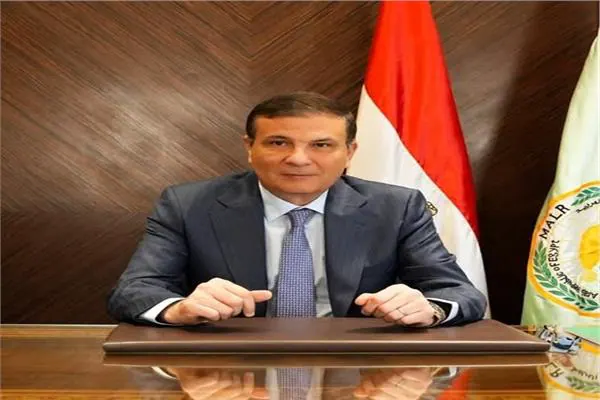
The Egyptian Ministry of Agriculture and Land Reclamation has released a report highlighting its key efforts over the past week, from September 18 to 24, to implement the state's strategy for achieving food security and promoting sustainable agricultural development. According to the report, Minister of Agriculture Alaa Farouk engaged in a series of meetings, field visits, and international cooperation activities to support food security and enhance the efficiency of the agricultural sector.
During the past week, Minister Farouk participated in a meeting with the ministers of industry and higher education, as well as the head of the Future of Egypt device, to discuss the implementation of a comprehensive model for flax cultivation, processing, and manufacturing. This aims to maximize the value added to strategic crops. The minister also received a high-level Uzbek government delegation to explore cooperation opportunities in agriculture and food security.
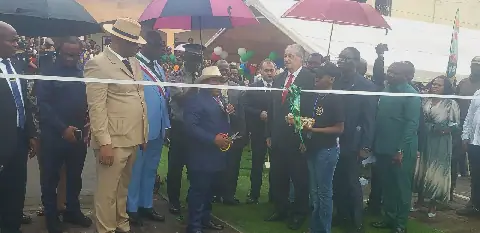
The Ministry of Agriculture also continued its efforts to support production and improve citizens' living standards. Minister Farouk inspected the "productive village" initiative in Afwa village, Beni Suef governorate, as part of the "Decent Life" initiative. He also opened the 38th edition of the Sahara International Agricultural Exhibition and received the new Director-General of the International Center for Agricultural Research in the Dry Areas (ICARDA) to discuss enhancing research cooperation and adapting to climate change.
In the area of international cooperation, the ministry organized the largest Egyptian-Uzbek meeting, with over 200 representatives participating. It also received Uzbek delegations at the Agricultural Research Center and Sakha station to review rice, corn, and soybean programs. Furthermore, the ministry strengthened its cooperation with Libya in animal health and horse breeding.
The ministry continued to develop the livestock and poultry sectors, issuing 624 operating licenses, approving 427 feed registrations, and granting 181 permits for small breeders. It also vaccinated 5.774 million doses against foot-and-mouth disease and lumpy skin disease. Additionally, the ministry conducted epidemiological surveys and collected 9,475 poultry samples.
To support agricultural production, the ministry expanded its production of potato seeds in Dakahlia and Nubaria and monitored crops and fields in Sharqia governorate. It also followed up on the harvest of rice seeds at the Gemiza station. In the field of food safety and pesticides, the ministry implemented a training program in cooperation with the Export Council to meet European Union standards.
The ministry's efforts also included training and capacity building, with 80 engineers specializing in greenhouse agriculture and programs for university students and people with disabilities. Moreover, it developed research projects, such as the rehabilitation of the Qalabshou farm in Dakahlia and the accreditation of the Animal Health Laboratory in Luxor according to ISO 17025 standards.
Key points
- The Egyptian Ministry of Agriculture and Land Reclamation is working to achieve food security and promote sustainable agricultural development.
- The ministry has been engaging in international cooperation to support its efforts in agriculture and food security.
- The ministry's efforts also include training and capacity building for engineers, university students, and people with disabilities.