The Egyptian Ministry of Electricity and Renewable Energy is implementing a comprehensive plan to develop the country's electricity infrastructure, aiming to improve services for citizens, increase distribution network efficiency, and reduce electricity theft. The plan also focuses on expanding the use of renewable energy sources and increasing the national grid's capacity over the coming years.
According to Dr. Esmat, the state has managed to recover approximately 5.5 billion kilowatt-hours of electricity stolen over the past decade, valued at around 29 billion Egyptian pounds. This was achieved through measures taken by the electricity sector to combat electricity theft and reduce network losses. The minister also noted that structural reforms in the sector have led to a 1.17% reduction in distribution network losses, bringing the total loss rate to 17.6%.
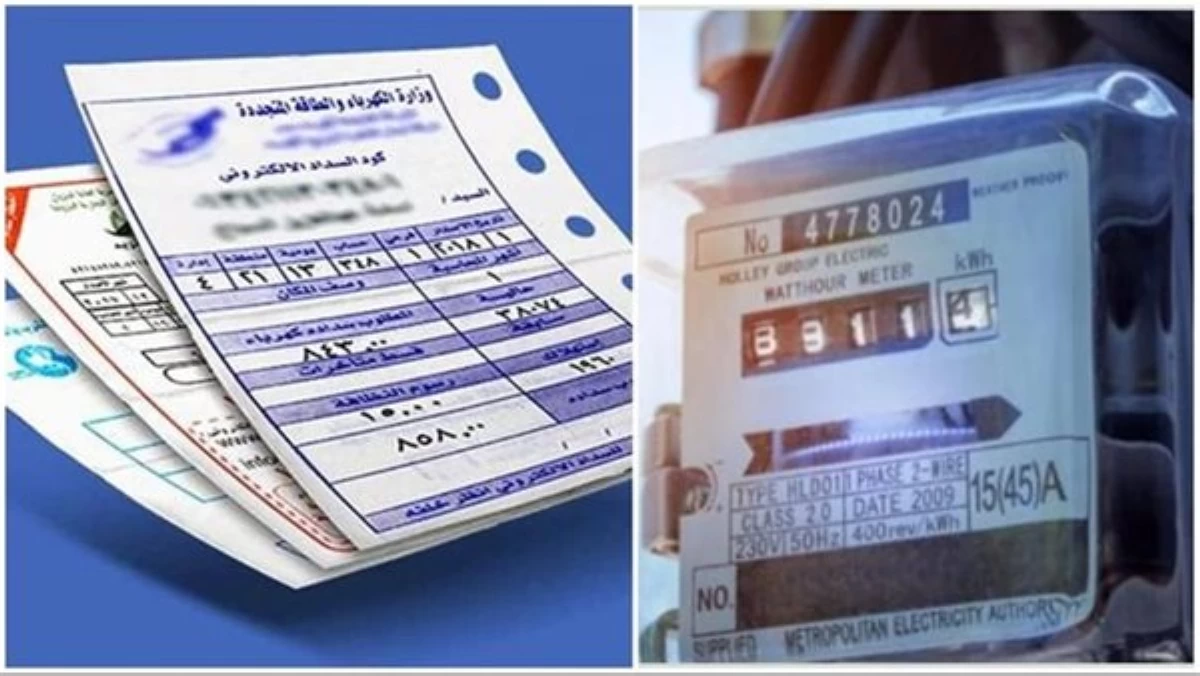
The reduction in network losses has resulted in the conservation of around 2.2 billion kilowatt-hours of electricity, valued at approximately 3.9 billion Egyptian pounds. This enhances the efficiency of the distribution network and improves resource management. Dr. Esmat also reported that 3.07 million prepaid meters have been installed, a 40% increase, to achieve more accurate electricity consumption measurement and reduce reliance on estimated consumption.
The southern Cairo electricity distribution company has installed the largest number of prepaid meters, with nearly 586,000 units. The expansion of prepaid meter installation is part of efforts to regulate electricity consumption calculations. The minister emphasized that the future vision for the national grid involves investing around 5 trillion Egyptian pounds by 2040 to develop power generation, transmission lines, and distribution networks.
The plan includes increasing the total installed capacity to approximately 126.8 gigawatts by 2040, comprising 49 gigawatts from thermal power plants, 4.8 gigawatts from nuclear energy, 40.5 gigawatts from wind power, and 24.7 gigawatts from solar energy. The goal is to raise the contribution of renewable energy sources to 61.2% of the total installed capacity by 2040.
Over the past decade, the electricity sector has added over 35,000 megawatts to its generation capacity through a diverse mix of thermal power plants and new and renewable energy projects. Notable projects include the Benisuef, Burullus, and New Administrative Capital power plants, developed in collaboration with Siemens, with a total capacity of 14.4 thousand megawatts, which entered service in 2018.
Dr. Esmat also mentioned that the ministry has worked to increase the efficiency of existing power plants by converting them to combined cycle systems, adding around 1840 megawatts without requiring additional fuel consumption. He emphasized that Egypt is expanding its use of renewable energy sources as part of a strategy to diversify its energy mix and reduce reliance on traditional fuel sources.
Key points
- The Egyptian government aims to increase the contribution of renewable energy sources to 61.2% of the total installed capacity by 2040.
- Over 3.07 million prepaid meters have been installed in Egypt to regulate electricity consumption.
- The country plans to invest around 5 trillion Egyptian pounds by 2040 to develop its electricity infrastructure.