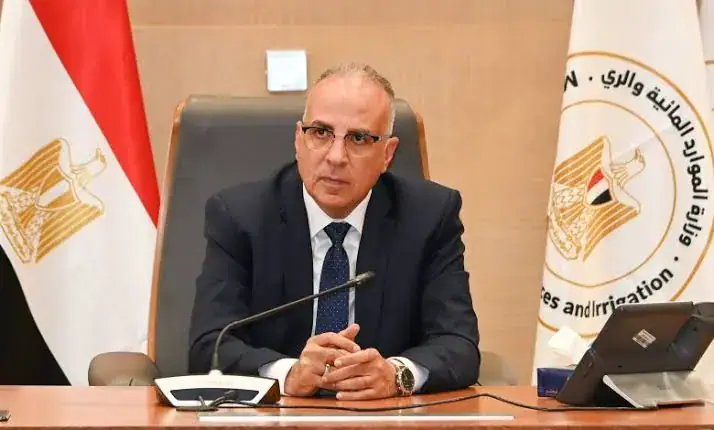
Egyptian Minister of Water Resources and Irrigation, Hani Suwelim, recently held a meeting to monitor the progress of a project aimed at developing the irrigation and drainage system in Siwa Oasis. The project seeks to maintain the environmental balance in the oasis and achieve sustainable development. The meeting reviewed the current state of the project's various components and the procedures for improving groundwater management and increasing the efficiency of the agricultural drainage system.
The project is being implemented in line with directives from President Abdel Fattah El-Sisi to prioritize Siwa Oasis and address the challenges facing its water system. The development works are being carried out through a collaboration between the Ministry of Water Resources and Irrigation, the Engineering Corps of the Armed Forces, and the Faculty of Engineering at Cairo University, in coordination with local residents. This integrated approach aims to achieve sustainable development and preserve the oasis's unique environmental and natural features.
Suwelim highlighted the success achieved in reducing water levels in Lake Siwa to safe levels, which has led to an improvement in the condition of agricultural land that had suffered from high levels of agricultural drainage water and soil deterioration for years. This has helped restore the environmental balance in the oasis and improve living conditions for its residents. The minister emphasized the importance of continuing to monitor the project's progress and ensuring that the works are completed according to the required technical specifications.
The meeting also reviewed the status of the third phase of the development project, which aims to reduce water levels in Lake Bahi El-Din by transferring part of the agricultural drainage water to the Ein El-Genbi depression using the El-Ghazalat pumping station. This phase complements previous development works on the oasis's agricultural drainage system. Additionally, the meeting discussed the development of water distribution networks and improving the efficiency of water transfer to agricultural land.
The project also includes measures to improve groundwater management in the oasis, including the completion of random closure of high-salinity surface wells and the provision of suitable alternatives from deep groundwater wells. This aims to improve irrigation water quality, achieve a balance between water withdrawal and actual water needs, and prevent depletion of the groundwater aquifer. These efforts are being coordinated with local water users and residents.
Suwelim instructed officials to continue monitoring the progress of the works, adhere to the scheduled timelines, and complete the works according to the required technical specifications. He also emphasized the importance of closely monitoring water levels in lakes and drains, as well as groundwater, and enhancing the use of telemetric systems for monitoring and decision-making. Furthermore, he stressed the need for proper operation and maintenance of water facilities in the oasis.
The project is expected to have a positive impact on the environmental and living conditions of Siwa Oasis residents. Key aspects of the project include reducing waterlogging and soil salinization, improving agricultural productivity, and enhancing the overall quality of life for local communities. The project's success will depend on continued collaboration between stakeholders and effective management of the oasis's water resources.
Key points
- The project aims to achieve sustainable development and preserve the unique environmental features of Siwa Oasis.
- The project involves collaboration between multiple agencies, including the Ministry of Water Resources and Irrigation, the Engineering Corps of the Armed Forces, and Cairo University.
- The project includes measures to improve groundwater management and increase the efficiency of the agricultural drainage system.