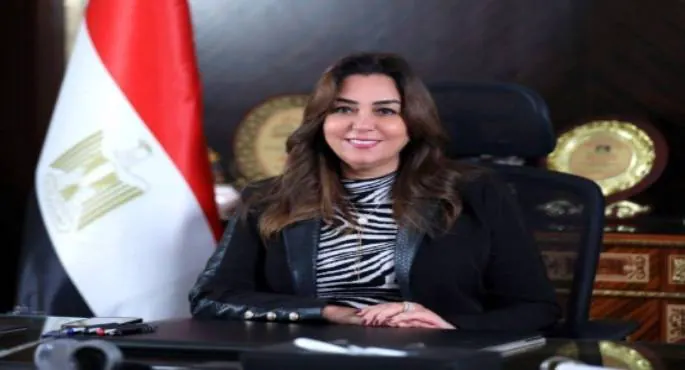
Egyptian Minister of Local Development and Environment, Dr. Manal Awad, highlighted the significance of expanding bioenergy projects as a practical and sustainable solution to maximize the utilization of waste. These projects yield comprehensive environmental, economic, and social benefits by mitigating the environmental impacts of unsafe waste disposal and utilizing it to produce energy and organic fertilizer. This, in turn, contributes to reducing energy costs, supporting agricultural activities, creating job opportunities, and improving living standards in local communities, particularly in rural areas.
Dr. Awad chaired the first meeting of the Executive Committee of the Bioenergy for Sustainable Development Foundation for the 2026/2027 fiscal year. The meeting aimed to monitor the foundation's plans and programs, review its achievements, and explore mechanisms to enhance its performance in line with the state's directions to support clean energy projects and maximize waste utilization. The meeting was attended by Yasser Abdullah, head of the Waste Management Regulatory Authority, and Dr. Talat Abdel Qawi, head of the General Union of Associations.
During the meeting, the committee approved the minutes of the previous meeting and reviewed the foundation's achievements over the past few months. Notably, 193 biogas production units have been inspected and monitored since the beginning of the year, including 67 units in the Minya and Asyut governorates. Additionally, several awareness campaigns were implemented in various governorates to introduce the importance of bioenergy projects and their benefits.
Yasser Abdullah emphasized that biogas projects represent a crucial model for applying the circular economy concept by converting waste into valuable resources. He stressed that expanding these projects reduces reliance on traditional energy sources and supports the state's efforts to combat climate change and achieve sustainable development goals.
The meeting discussed plans for the upcoming period, focusing on enhancing cooperation and coordination to support bioenergy projects and expand their applications. The committee aims to increase the number of biogas production units, develop monitoring and evaluation mechanisms, and broaden partnerships with relevant parties, the private sector, and local communities.
Abdullah highlighted that the upcoming period will witness intensified efforts to promote the use of bioenergy, provide technical and awareness support to beneficiaries, and ensure project sustainability and maximum utilization. This aligns with Dr. Manal Awad's directives and supports Egypt's progress toward a more sustainable future in resource and waste management.
The expansion of bioenergy projects in Egypt is expected to have a positive impact on the environment, economy, and society. By leveraging waste as a valuable resource, these projects can help mitigate the country's environmental challenges while creating new opportunities for economic growth and social development.
Key points
- Dr. Manal Awad emphasizes the importance of bioenergy projects in achieving integrated environmental and economic returns.
- Egypt aims to expand its bioenergy projects to support clean energy goals and sustainable development.
- The projects are expected to create job opportunities, improve living standards, and contribute to reducing energy costs.