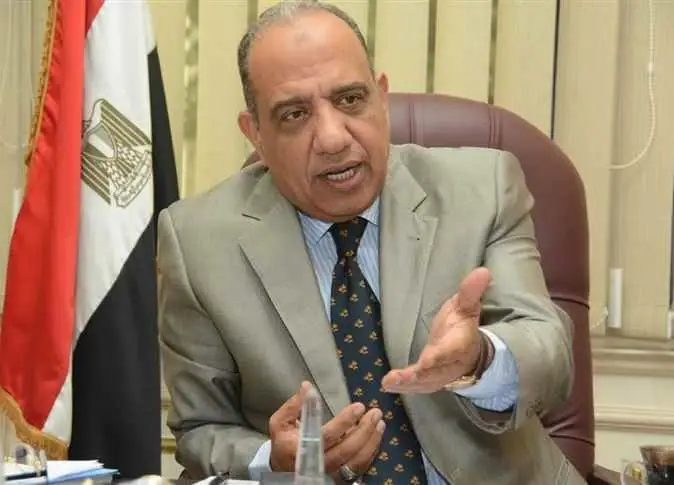
Egyptian Minister of Electricity and Renewable Energy, Dr. Mahmoud Essmat, announced that electricity theft costs the state around 30 billion Egyptian pounds. The ministry is working to combat this issue by developing a consumption measurement system and making adjustments to the legal framework regulating electricity-related violations. This effort aims to control the electricity consumption system and protect the state's rights.
Dr. Essmat mentioned that about 1.6 million citizens have been transitioned to the code meter system after reconciliation. This move is part of the state's efforts to regulate electricity consumption and protect its rights. He also noted that there are approximately 1.5 million unused code meters. The ministry is working to modify the legal framework to tighten control over electricity consumption and limit network violations.
The minister emphasized that updating the meter and consumption measurement system is part of the plan to combat electricity theft. This will ensure that the state collects its dues and achieves discipline in electricity usage. He also mentioned that presidential directives have provided a 6-month grace period for reconciliation, with a 30% reduction in meter reading value. This allows violators to rectify their situations and benefit from the available facilities.
Dr. Essmat highlighted that nuclear energy is characterized by stability and consistency in electricity production. This requires special technical preparations to accommodate the production capacity of the Dabaa nuclear power plant within the national grid. He revealed that a special code is being developed to connect nuclear energy to the electrical grid. This code will determine the mechanisms for dealing with connection circuit separation and the necessary procedures to maintain grid stability.
The minister stressed that connecting electricity produced from the Dabaa nuclear power plant requires special technical preparations. He noted that Egyptian cadres' training programs do not only focus on understanding nuclear reactor operations but also on mechanisms for connecting produced electricity to the national grid and dealing with its stability requirements. This ensures the safe and stable integration of nuclear energy into the grid.
Dr. Essmat emphasized that nuclear energy provides stable production capacity. This requires maintaining load continuity and preparing the grid to accommodate production according to technical and operational standards. He also highlighted that the Dabaa nuclear power plant project opens the door for establishing industries related to nuclear energy and localizing technology. This includes control industries, safety systems, and manufacturing requirements.
The minister concluded that the project allows for the utilization of seawater in the cooling process of the plant's condensers. This is an opportunity to benefit from the available resources within the project. The development of code meters and the plan to combat electricity theft aim to protect the state's rights and ensure discipline in electricity usage.
Key points
- The Egyptian government has provided a 6-month grace period for reconciliation, with a 30% reduction in meter reading value, to encourage violators to rectify their situations.
Reporting sources
- بشرى لأصحاب العدادات الكودية.. وزير الكهرباء يكشف مفاجأة بشأن التصالح · Al-Masry Al-Youm