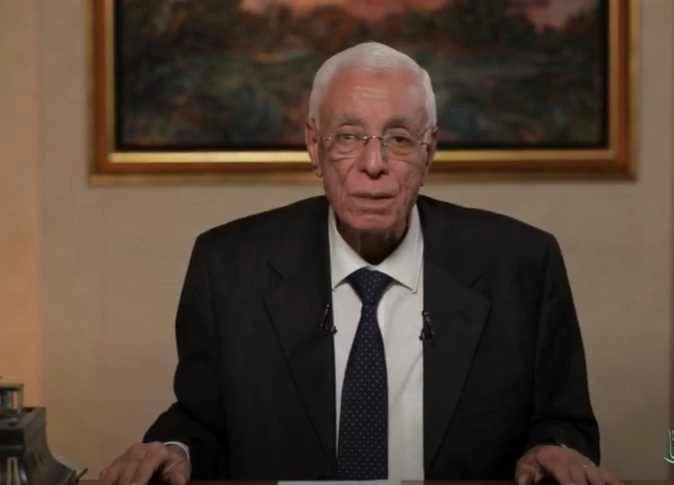
A recent suggestion by Dr. Hussam Mowafi, a professor of critical care at Cairo University's Kasr Al-Ainy School of Medicine, has sparked controversy in Egypt. During a television program, Dr. Mowafi proposed utilizing organs from individuals on death row before their execution, raising questions about the feasibility and legitimacy of such a practice. This idea has generated significant debate on social media platforms.
The Egyptian Medical Syndicate has responded to Dr. Mowafi's proposal, with Dr. Jamal Omaira, the syndicate's deputy, stating that this practice has been implemented in China for decades and was previously applied in Egypt in the 1990s. Two death row inmates were involved, and after their execution, they were placed on life support and transferred to the National Cancer Institute, where their organs were harvested for transplantation.
According to Dr. Omaira, the 1990s procedure was performed with the necessary permissions from the Mufti of the Republic, the Minister of Justice, and the Ministry of Health, as well as the consent of the death row inmates themselves. However, the practice was discontinued due to the controversy it generated. Dr. Omaira emphasized that current organ transplantation in Egypt relies on living donors, with only a portion of the liver or one kidney being taken.
Dr. Omaira highlighted that there are medical cases where patients are considered hopeless, with their bodies sustained only by life support machines. In such cases, if the machines are disconnected, death occurs immediately. These cases are recognized internationally, and organs can be harvested for transplantation into other patients, provided that the individual has given consent during their lifetime.
Regarding the use of organs from death row inmates, Dr. Omaira stated that there is no medical objection, as execution by hanging or other means causes a break in the neck and spinal cord, effectively rendering the individual clinically dead. Medical teams can then intervene, placing the body on life support to preserve the organs for transplantation, thereby saving the lives of patients in need.
The implementation of Dr. Mowafi's proposal could significantly increase the number of organs available for transplantation, potentially saving numerous lives. However, Dr. Omaira stressed that its feasibility depends on reconciling medical and jurisprudential perspectives.
The debate surrounding Dr. Mowafi's proposal underscores the complexities of balancing medical needs with ethical and legal considerations in Egypt. As discussions continue, the medical community and relevant authorities will need to address these concerns to determine the viability of utilizing organs from death row inmates for transplantation purposes.
Key points
- Dr. Hussam Mowafi proposed using organs from death row inmates for transplantation, sparking controversy in Egypt.
- The Egyptian Medical Syndicate notes that this practice has been implemented in China and previously in Egypt.
- The feasibility of Dr. Mowafi's proposal depends on reconciling medical and jurisprudential perspectives.