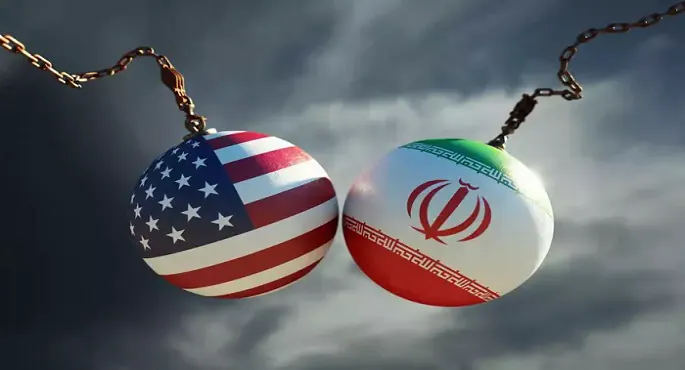
The Egyptian media is abuzz with discussions on the escalating conflicts in the region, particularly the war between the US and Iran. A recent article in Al-Ahram by Dr. Abdel Moneim Said titled "When the Gloves Come Off" highlights the intense rivalry between the two nations. The article notes that the conflict began on February 28, 2026, and has been ongoing for months, with both sides suffering significant losses. The war has also had a profound impact on the global economy, with Iran threatening to disrupt oil supplies through the Strait of Hormuz.
The conflict between the US and Iran has also led to a significant military buildup in the region. The article notes that the US has deployed a large naval fleet, possibly the largest since World War II. In response, Iran has launched attacks on Arab states in the Gulf region, further escalating tensions. Despite mediation efforts, the conflict has continued, with both sides suffering heavy losses. The war has also had a profound impact on the global economy, with rising inflation and supply chain disruptions.
In a related development, the Israeli elections have garnered significant attention in the Egyptian media. An article in Al-Ayyam by Palestinian politician and writer Nabil Amr titled "Netanyahu and Eisenkot... A Contest Between the Professional and the Amateur" analyzes the upcoming elections. The article notes that General Eisenkot is currently leading in the polls, but Netanyahu remains a strong contender. The article highlights the significant differences between the two candidates, with Eisenkot seen as more flexible on Middle East issues.
The article also notes that the Arab vote will play a crucial role in determining the outcome of the elections. With a high turnout of Arab voters, Eisenkot may gain a significant advantage. However, it remains to be seen whether he will form an alliance with Arab parties. The article also touches on the impact of US influence on the elections, with some speculating that the US favors Eisenkot due to his more flexible stance on Middle East issues.
In another article, writer Ghassan Charbel reflects on the situation in Lebanon, where the conflict with Israel has led to significant human suffering. The article, titled "Autumn and the Martyrs... The Last Garden," notes that Lebanon has been ravaged by war, with many villages destroyed and civilians killed. Charbel argues that Lebanon's weakness has made it vulnerable to Israeli aggression.
Charbel also notes that the conflict in Lebanon has had a profound impact on the country's psyche. He describes the images of martyrs and the destruction of villages as a stark reminder of the country's fragility. The article concludes that Lebanon's only hope is for the international community to exert pressure on Israel to end its aggression.
The article also highlights the economic and social challenges facing Lebanon, with the country's infrastructure and economy severely damaged by the conflict. Charbel argues that Lebanon needs to find a way to rebuild and recover, but this will require significant international support. The article concludes that the situation in Lebanon remains dire, with the country's future uncertain.
Key points
- The conflict between the US and Iran has had a significant impact on the global economy, with rising inflation and supply chain disruptions.
- The Israeli elections have garnered significant attention in the Egyptian media, with many analysts speculating on the outcome.
- The situation in Lebanon remains dire, with the country's future uncertain due to the ongoing conflict with Israel.